Reflective foil slows radiant heat transfer by reflecting infrared radiation. It needs a clear air gap and good detailing. Performance varies with product, installation and climate.
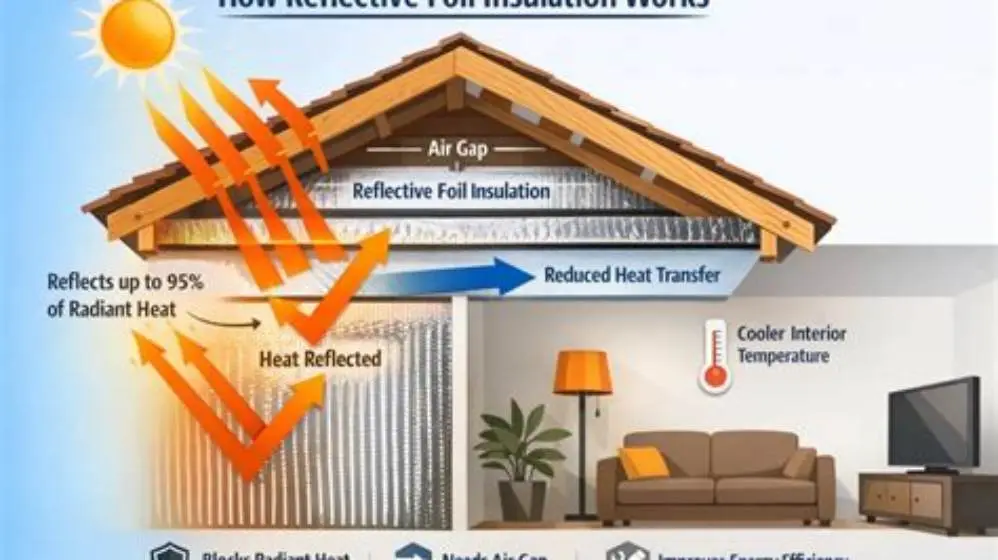
Reflective foil insulation can reflect a high share of incoming radiant heat. Typical lab-measured reflectivity for clean metallic surfaces ranges about 85 to 95 percent, but actual on-site performance depends on the product, surface finish, dirt, and the presence of an adjacent air gap.
On this page
- The short version
- What reflective foil insulation is
- How radiant heat interacts with foil
- Why an air gap matters
- Standards and studies that support performance claims
- Where foil insulation gives the biggest benefit
- Limitations and common pitfalls
- Practical installation guidance
- Comparing foil with bulk insulation
- How does reflective foil insulation work in practice
- Questions people still ask
Part of our guide on heat flow blocking by insulation
| Reflectivity | about 85–95% in lab tests; lower with dirt or paint |
|---|---|
| Air gap size | 20–40 mm commonly recommended for roof installations |
| Common use | roofs, lofts, some cavity and rafter applications |
| Thermal conductivity | very low material thickness; low bulk R-value unless backed with foam or cavity |
| Installation impact | depends on gap integrity, surface cleanliness and airtight detailing |
The short version
- Most reflective foils show lab reflectivity in the 85–95% range, but on-site values vary.
- An uninterrupted air gap next to the foil is required for the radiant-reflection effect.
- In optimal roof or loft setups, some studies report heat-loss reductions up to around 30%, but results vary widely.
- Foil complements bulk insulation; it does not replace sufficient thickness of bulk material where conduction dominates.
- Correct installation and moisture control determine whether you get the expected performance.
What reflective foil insulation is
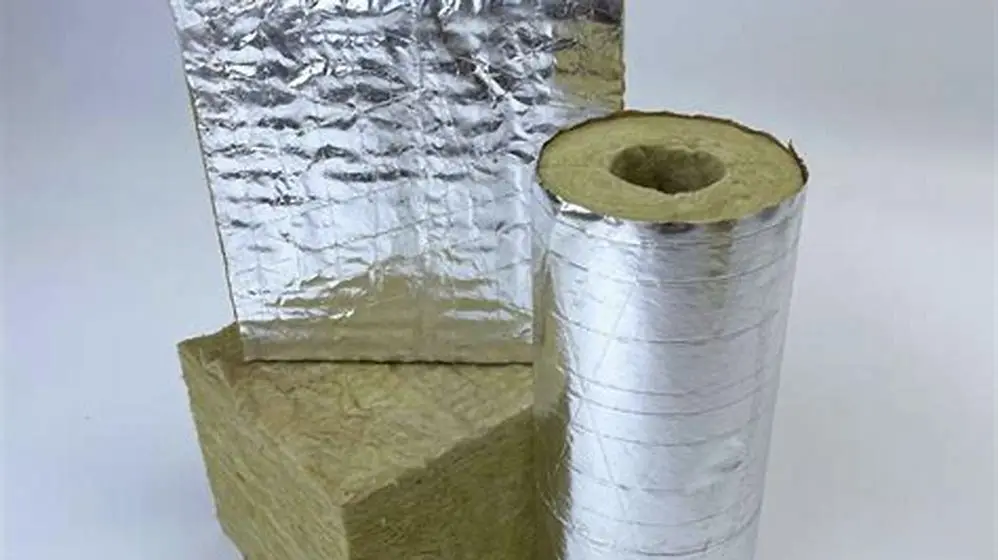
Reflective foil insulation is a thin sheet with a metal-coated surface, usually aluminium. Manufacturers bond that foil to plastic films, foam cores or bubble layers to make a product that is easy to handle.
The foil’s main function is to reflect infrared radiation. That differs from bulk insulations, which slow heat flow by trapping air and reducing conduction.
You often see foil in lofts and under roof coverings because roof spaces face strong radiant heat flows. Installers commonly pair foil with bulk insulation so the two types cover different heat-transfer modes.
Some foil products include foam or several reflective layers to add modest insulating value. Those multi-layer products raise the combined resistance compared with plain single-sheet foil. If that sounds like your situation, read up on insulation lifespan differences next.
The sheet thickness is small. That helps in tight spaces. It also means foil alone rarely supplies enough R-value where conduction is the main pathway for heat loss. You still need bulk insulation in external walls and floors in most cases.
How radiant heat interacts with foil
Radiant heat travels as infrared electromagnetic waves. A shiny metallic surface reflects much of that radiation back toward its source. Clean, smooth aluminium finishes tend to have the lowest emissivity and the highest reflectivity in lab tests.
Manufacturers and test labs report low emissivity numbers for polished foil surfaces. Lab emissivity for clean metal tends to be low (for example, values below 0.06 are common in published test tables), which corresponds to high reflectivity. Real-world emissivity rises if the surface is dirty, oxidised or coated. It helps to understand thermal benefits of rockwool before going further.
Reflection only helps when the foil faces a gap of still air or a void. If foil touches a solid material, heat flows through conduction and the reflection advantage disappears.
If dust, paint or crumples increase surface emissivity, the foil reflects less radiant energy. You can measure surface temperatures or use a thermal camera to see the difference a clean reflective face makes.
Use the lab ranges with caution. Manufacturers will publish reflectivity or emissivity values for their products. Those numbers come from standard tests. Expect lower figures on-site unless you keep the surface clean and the gap intact. For the detail, see our notes on improving slab edge insulation.
Why an air gap matters
The reflective surface must face a continuous air gap to act as a radiant barrier. The gap lets infrared waves travel and bounce off the foil rather than being absorbed into adjacent solids.
Air cuts conduction. Still air in a cavity reduces heat transfer by conduction and convection compared with touching materials. That helps the radiant barrier do its job.
A gap smaller than about 20 mm can let conduction and convection reduce the foil’s benefit. Gaps larger than about 40 mm usually add little extra radiant benefit for the extra space they take. We cover polystyrene thermal performance in its own article.
Keep the gap free of dust and moisture. Dust raises emissivity. Moisture increases conduction risk and can lead to condensation problems if vapour control and ventilation are not handled correctly.
You do not need multiple repeated paragraphs to say this. One clear description suffices: maintain a continuous, clean air space adjacent to the reflective face for the radiant effect to work.
Standards and studies that support performance claims
Manufacturers and test labs report reflectivity and emissivity using standardised test methods. Look for product data citing recognised standards such as ASTM emissivity tests and relevant national thermal performance standards.
Building research organisations and lab studies have measured the impact of reflective insulation in roofs and attics. Field studies and controlled tests differ because real installations introduce dust, compression and imperfect gaps. Published work from building-research bodies like the Building Research Establishment (BRE) and technical handbooks from ASHRAE include measured emissivity and installation guidance.
Some controlled studies and field trials report that, when installed in optimal roof or loft configurations and combined with bulk insulation, reflective systems can reduce heat loss by up to around 30 percent compared with a similar assembly without the foil layer. The actual saving depends on climate, roof construction, existing insulation level and how well the air gap and seals are maintained.
If you want hard numbers for a product, ask the manufacturer for certified lab test reports and for references to field trials. Check for independent assessments from local research bodies or energy-efficiency programmes. Those documents will show the test method, boundary conditions and climate assumptions used to calculate savings.
Where foil insulation gives the biggest benefit
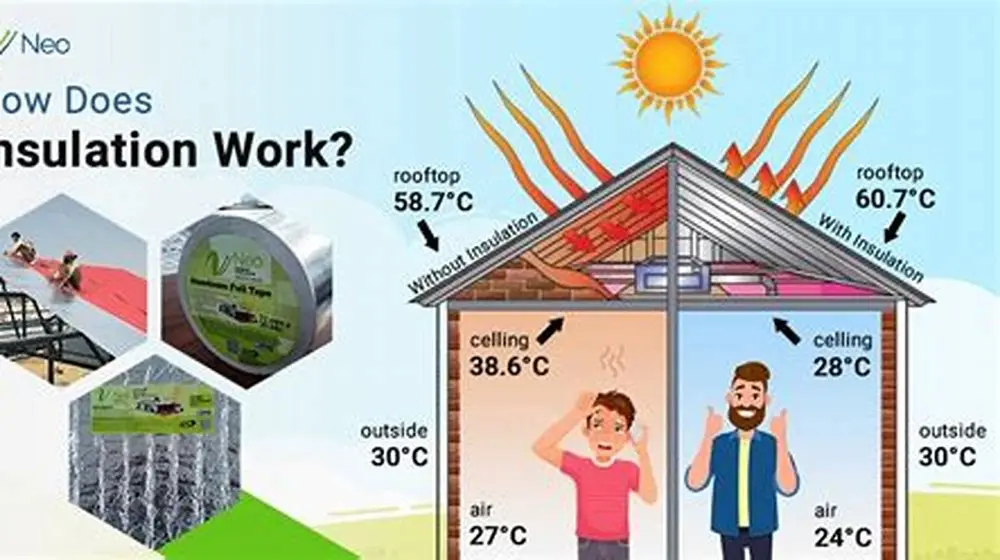
Reflective foil usually gives the most value in roof and loft situations where radiant heat transfer is significant. In cold weather, it sends long-wave infrared from the warm interior back toward the room. In hot weather, it reflects incoming solar heat away from the interior.
In walls and floors, conduction and convection often dominate. That makes foil alone less effective in those assemblies. You can use foil in cavities if you can keep a continuous air gap and manage moisture and detailing, but the expected gains are smaller than in roof spaces.
In retrofit projects, foil adds most value where adding thick bulk insulation is difficult. It helps when space is limited and when you pair it with other types of insulation to cover all heat-transfer modes.
Climate matters. In mild climates with low temperature differences and low solar loads, the foil’s radiant benefit is smaller. In climates with large heating or cooling loads, a reflective layer can make a more noticeable difference when properly installed.
Limitations and common pitfalls
Do not expect foil to replace the required bulk insulation thickness in building regulations for walls and floors. Foil is not a substitute for a proper R-value where conduction is the dominant heat path.
Installers sometimes compress or staple foil into place and kill the air gap. Compression, contact with other materials, or poorly sealed overlaps reduce performance sharply.
Dust and ageing lower reflectivity. Outdoor-facing or dusty cavities will show degraded performance compared with new lab values. Inspect and keep accessible cavities as clean as possible.
Moisture and vapour control are critical. If foil traps moisture, you risk mould and timber decay. Use vapour control layers, ventilation and correct detailing according to local guidance.
Product claims that give a single percent reflectivity or a single percent energy saving without test details should be treated cautiously. Ask for the test standard, test conditions and any field trial documentation.
Practical installation guidance
Position the foil so the shiny face looks into a continuous air gap. If you are fitting under rafters, keep a clear gap between the foil and the roof deck or the next insulation layer.
Seal the edges and overlaps to limit air leakage. Small gaps let convection currents form and reduce the overall effect.
Combine foil with bulk insulation. A common approach is foil on the warm side of the roof void with mineral wool or rigid board beneath it. That way you address radiation and conduction together.
Ventilate roof spaces and follow recommended vapour control practice. If you are unsure about vapour barriers or ventilation, consult local guidance or an installer with experience in your building type.
Measure air gaps with a tape or ruler where possible. Thermal imaging or surface temperature checks in different seasons can help confirm the system is working as intended.
Comparing foil with bulk insulation
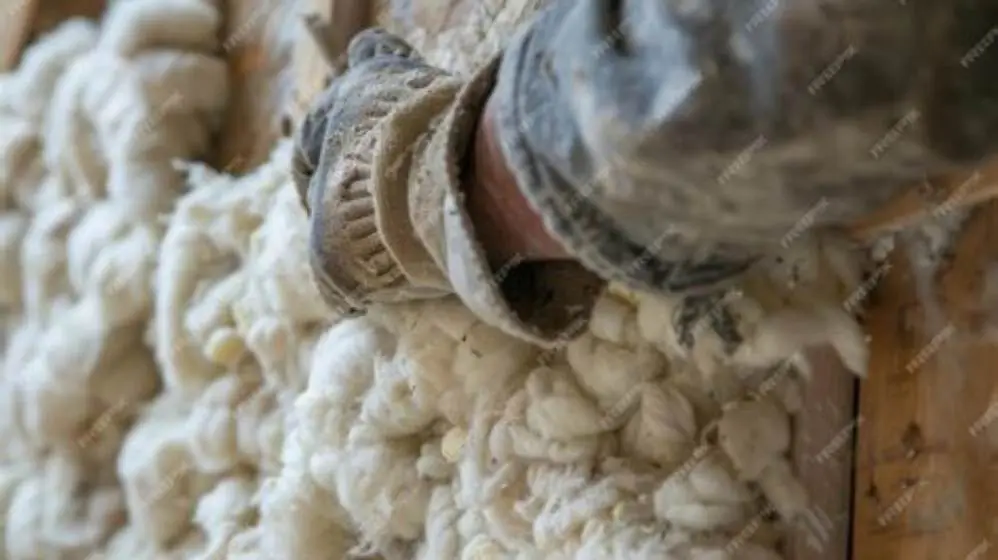
Bulk insulation like mineral wool or foam has measurable R-values per thickness. Foil’s single-sheet contribution to R-value is small, but it changes how radiation moves within a cavity.
Use foil where radiation is a significant part of the heat transfer. Use bulk insulation where conduction through solids or convective paths inside the material dominate.
Multi-layer products that combine foil and foam give both radiant-blocking and added bulk resistance. Those products can be practical where you need thin but multi-mode performance.
Choose the right product for the dominant heat-transfer mechanism in that part of the building. Combining materials that attack different mechanisms gives the most reliable overall result.
How does reflective foil insulation work in practice
Get the basics right: maintain a continuous, clean air gap next to the reflective face, seal edges to stop drafts, and pair foil with bulk insulation where conduction matters.
A good installation will show lower surface temperatures on the interior side of the roof in summer and warmer surfaces inside in winter. Thermal imaging during commissioning gives a quick check.
If you see condensation or damp spots after installing foil, review vapour control and ventilation rather than assuming the foil is at fault. Poor detailing, not the foil itself, usually causes moisture issues.
If you want a quantified estimate for your house, ask for a performance calculation that states the test standards and the boundary conditions. Product data sheets often include tabulated emissivity and recommended gap sizes. Independent test or field trial reports give the clearest picture of expected savings in specific climates.
Questions people still ask
Can reflective foil insulation be used alone?
No. Foil alone has little bulk thermal resistance. Use it with bulk insulation to reduce conduction and get reliable U-values for walls and roofs.
Does foil insulation prevent moisture problems?
Foil can trap moisture if installed without proper vapour control or ventilation. Design vapour control and ventilation to local guidance and check details for your roof or loft type.
Is reflective foil insulation effective in walls?
It can help if you can keep a continuous air gap. In most walls, conduction dominates and foil alone gives limited benefit. Use it where cavity details allow a persistent void.
How much can foil insulation reduce energy bills?
Savings vary. In some optimal roof setups combined with bulk insulation, studies report up to around 30 percent reduction in the roof-related heat loss component. Expect smaller savings in mild climates or where installation is imperfect.
Do I need a professional to install reflective foil insulation?
Professional installers know how to keep air gaps, seal overlaps and manage vapour control. If you are confident following manufacturer instructions and local building codes, DIY is possible. Otherwise hire a pro.