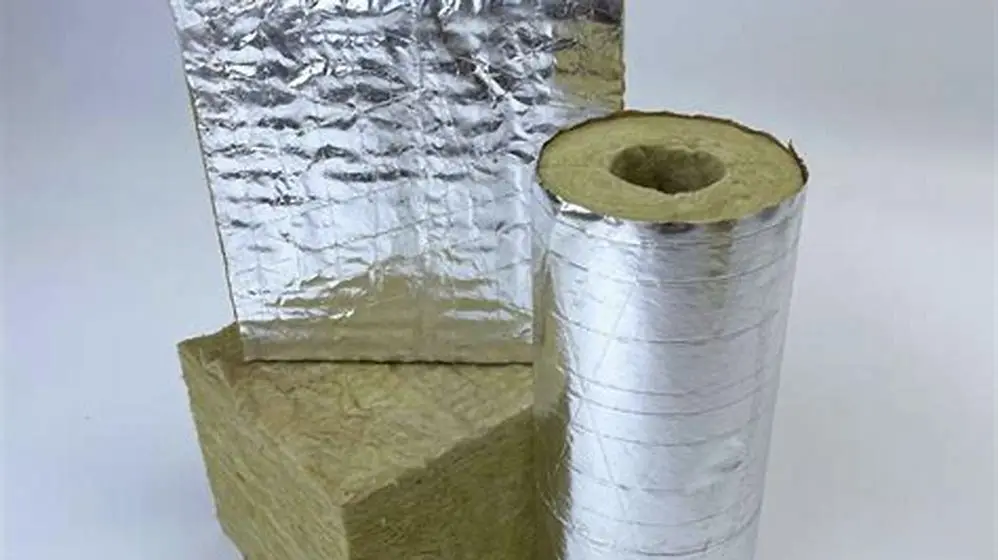
R30 rockwool batt insulation typically offers an R-value of about 3.0 per inch under cold attic conditions, making it a solid choice to reduce drafts and heating costs. Its worth depends on installation quality and attic tightness.
On this page
- Quick recap
- Is rockwool insulation worth it for thermal performance?
- R30 rockwool batt insulation in cold attic performance
- How rockwool compares to other insulation types for thermal efficiency
- Installation tips to maximize R30 rockwool batt insulation effectiveness
- Common mistakes that reduce rockwool batt insulation performance
- Is rockwool good for thermal insulation in cold attics
- Quick questions
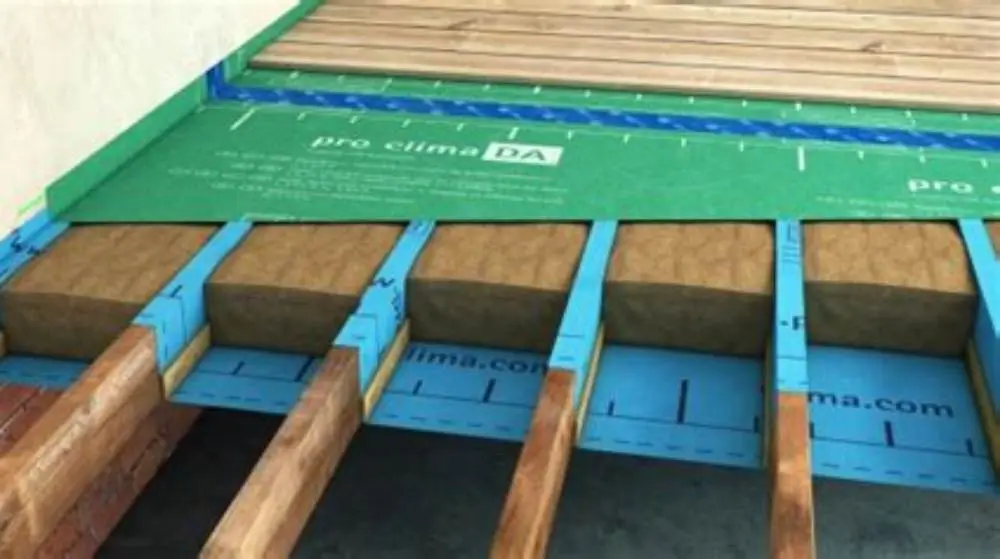
Part of our guide on how to insulate a suspended timber floor
Quick facts
- Typical R-value
- R30 at 9-10 inches
- Thermal conductivity
- about 0.036 W/m·K
- Thickness needed
- 9-10 inches
- Density range
- 40-48 kg/m³
- Air permeability
- low compared to fiberglass
Quick recap
- R30 batt insulation usually delivers R30 thermal resistance at 9-10 inches thickness.
- Rockwool's density limits air infiltration better than fiberglass.
- Cold attic temperatures reduce effective R-value slightly.
- Installation gaps or compression reduce performance significantly.
- Cost-effectiveness hinges on correct fit and combined air sealing.
Is rockwool insulation worth it for thermal performance?
Rockwool insulation generally reaches an R-value around 3.0 per inch of thickness, which means an R30 batt needs about 9-10 inches thickness. This value depends on the specific product density and attic temperature. Rockwool uses dense mineral fibers that resist heat flow effectively.
Its worth is not only about raw R-value but also about how well it handles drafts and air infiltration compared to fiberglass. Rockwool's higher density and structure reduce convective heat loss, a key factor in attics where air leaks are common.
You must accept that installation quality is critical. Compression or gaps can cut effective R-value by 10-30%. If the attic is poorly sealed outside the insulation layer, the savings diminish significantly. Rockwool alone does not stop air leaks; it works best combined with air sealing.
The upfront cost is higher than fiberglass but the durability and moisture resistance add value. If your goal is a balanced approach to reducing bills and drafts later, rockwool can be worth it: but only if installed correctly and paired with other measures. If that sounds like your situation, read up on how good is polystyrene for insulation next.
- Good thermal resistance per inch
- Better air infiltration resistance than fiberglass
- Resists moisture and mold
- Durable and non-combustible
- More expensive material cost
- Installation sensitive to gaps or compression
- Heavier and harder to cut than fiberglass
R30 rockwool batt insulation in cold attic performance
In cold attics, the actual R-value of R30 rockwool batt insulation can be slightly lower than lab ratings. The temperature difference and convective loops reduce effective resistance by about 5-10%. This means real-world R-value might be closer to R27-R28.
Cold attic conditions also mean moisture control is important. Rockwool is water-repellent but prolonged dampness reduces its performance. Proper attic ventilation and vapor control layers are essential to maintain insulation effectiveness.
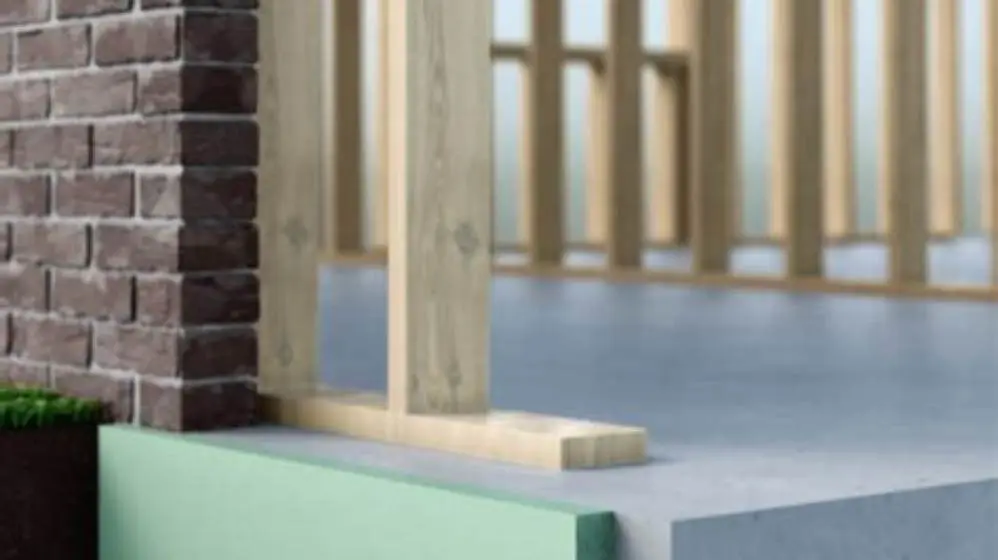
The thickness needed for R30 is about 9-10 inches of rockwool batts. If the space is less or the batts are compressed during installation, the R-value drops notably. You should measure the installed thickness and check for compression before judging performance. If that sounds like your situation, read up on installation tips for slab edge insulation next.
Cold attics often have air leakage under the insulation layer or through bypasses. Rockwool does not seal these. You should combine insulation with air barrier measures to get the full thermal benefit.
In practical terms, if you install 9 inches of R30 rockwool batt in a cold attic with an ambient temperature near 20°F (-7°C) and a heated space at 68°F (20°C), the expected heat flow reduction aligns with an effective R-value of about 27.5. This equates to roughly a 9% decrease in heat transfer compared to an ideal R30 rating. To verify installation quality, use an infrared thermometer to scan the attic floor on a cold day; uneven surface temperatures indicate gaps or compression reducing performance.
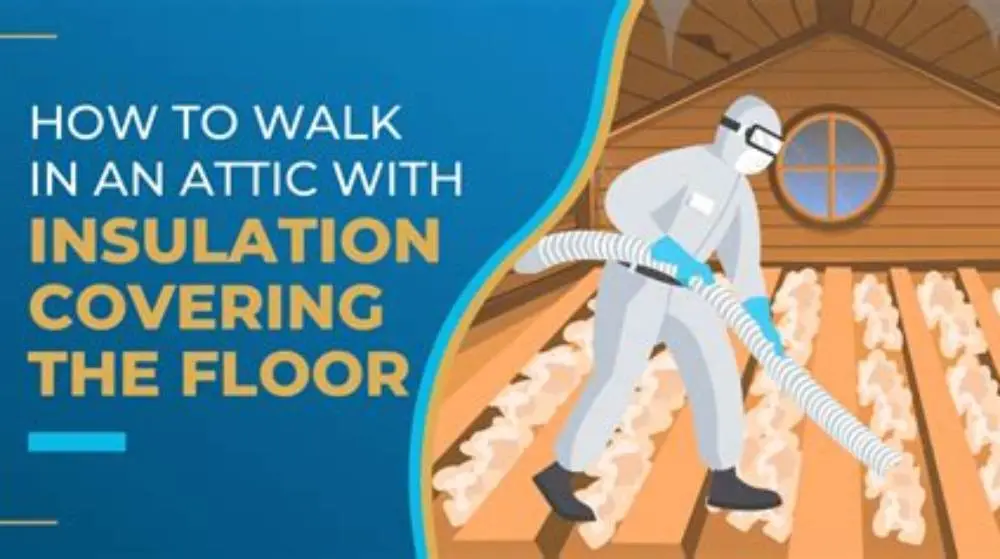
One challenge in cold attics is ensuring the rockwool batts do not sag over time, as this creates voids beneath the insulation layer. Rockwool’s rigid structure helps maintain thickness better than fiberglass, but if batts are not properly supported by netting or stapling to joists, sagging can occur, causing a drop in R-value by 5-10%. Regular inspections after installation can catch such issues before winter heating demand increases. Before you commit to anything, it is worth looking at attic insulation you can walk on.
How rockwool compares to other insulation types for thermal efficiency
Compared to fiberglass batts, rockwool usually has a slightly higher density and thermal resistance per inch. It also resists air infiltration better, which matters more in cold attics where drafts reduce insulation effects.
Spray foam insulation offers higher R-value per inch and air sealing at once, but at a much higher cost and with installation complexities. Rockwool is easier to install for DIY or retrofit projects.
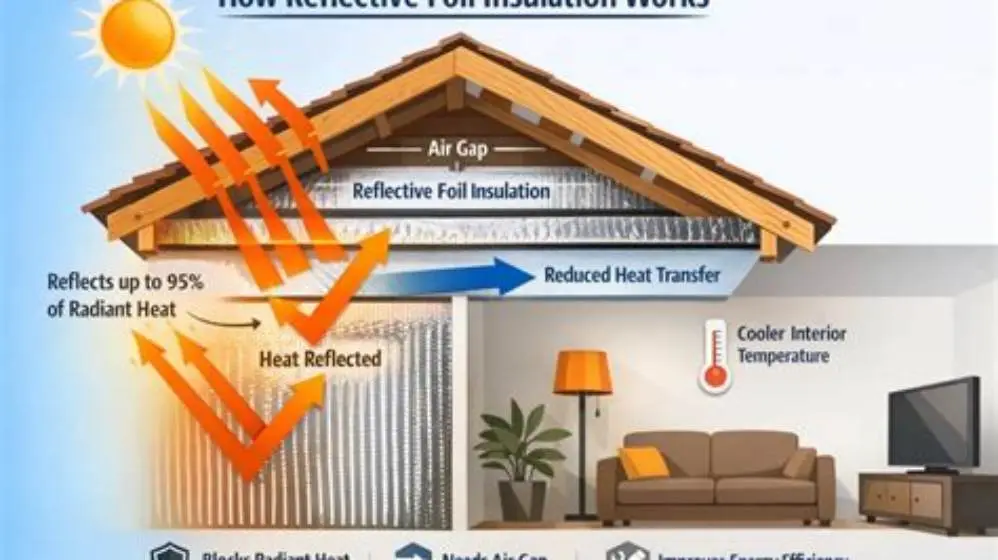
Cellulose insulation, blown-in, can fill cavities better but may settle over time, reducing R-value. Rockwool batts hold their thickness longer and remain stable in humid environments. Before you commit to anything, it is worth looking at importance of air gap in foil insulation.
Choice depends on your attic’s access, budget, and whether you plan air sealing. Rockwool balances cost and performance for cold attics if installed with care.
| Insulation type | R-value per inch | Air infiltration resistance | Moisture resistance | Typical cost range |
|---|---|---|---|---|
| Rockwool batt | 3.0 | Moderate (low air leaks) | High | Medium |
| Fiberglass batt | 2.9 | Lower (more air leaks) | Moderate | Low |
| Spray foam | 6.0 to 7.0 | High (seals air) | High | High |
| Cellulose blown-in | 3.2 to 3.8 | Moderate | Moderate | Medium |
- Better air infiltration resistance than fiberglass
- Cost-effective compared to spray foam
- Stable thickness over time
- Good moisture tolerance
- Lower R-value per inch than spray foam
- Requires careful fitting to avoid gaps
- Heavier and bulkier than fiberglass
Installation tips to maximize R30 rockwool batt insulation effectiveness
Ensure the batts fit snugly without compression or gaps, as these reduce effective R-value by up to 30%. Measure thickness after installation to confirm you have 9-10 inches or more.
Combine insulation with a thorough air sealing of attic bypasses: around chimneys, vents, and wiring penetrations. Use expanding foam or caulk to stop drafts that bypass insulation. It helps to understand thin insulation for narrow bays before going further.
Maintain attic ventilation above the insulation to prevent moisture buildup. Install vapor barriers on the warm side where local building codes require them, especially in very cold climates.
Wear protective gear while handling rockwool as its fibers can irritate skin and lungs. Cut batts with a sharp knife for a clean fit and avoid crushing the material.
Evaluate attic access and structural obstacles beforehand. Tight or irregular joist spacing might require cutting batts for a smooth fit.
After installing the batts, perform a blower door test if possible to detect air leaks in your attic. This test pressurizes or depressurizes the home to reveal infiltration points that compromise insulation effectiveness. Addressing these leaks with additional sealing can improve thermal performance by as much as 15%.
When cutting rockwool for tight spots around plumbing or wiring, cut slightly oversized pieces to ensure a snug fit without compressing the batt. Filling every cavity tightly prevents convective heat loss, which is common in cold attic setups. Use a tape measure or laser distance meter to confirm consistent thickness across the entire insulated area.
- Assess attic space and measure current insulation thickness.
- Seal attic bypasses with foam or caulk.
- Install rockwool batts evenly at full thickness without compression.
- Maintain ventilation paths above insulation.
- Check for gaps or compressed areas and adjust.
Common mistakes that reduce rockwool batt insulation performance
Compressing the batts to fit cramped spaces cuts effective R-value by up to a third, negating the benefit of buying R30 thickness. Thinner or flattened insulation loses resistance to heat flow.
Leaving gaps or spaces between batts and around edges allows convective heat loss and drafts, which rockwool alone cannot block.
Ignoring attic air sealing means cold air bypasses the insulation, dramatically cutting its cost-saving potential. Rockwool must be part of a system approach.
Installing in a damp attic without proper ventilation or vapor barriers risks moisture accumulation, which degrades insulation properties and invites mold.
Failing to measure post-installation thickness lets you overestimate insulation effectiveness.
Is rockwool good for thermal insulation in cold attics
Rockwool is good for thermal insulation in cold attics when you want a solid R30 level with decent air infiltration resistance. It provides stable thermal resistance if installed properly at 9-10 inches thickness.
The material’s moisture resistance and non-combustibility add benefits in cold, potentially damp, attic environments. However, its value depends on preventing compression, filling gaps, and pairing with attic air sealing.
If you want to reduce bills and drafts while managing installation effort and cost, rockwool offers a balanced solution compared to fiberglass or spray foam, especially for DIY installs.
You will need to buy an insulation thickness gauge or ruler to verify installed depth and a high-quality expanding foam for air sealing bypasses to maximize performance.
Rockwool’s thermal performance also benefits from its fire-resistant properties, which can be crucial in attics where electrical faults could pose risks. Its non-combustible nature adds safety without sacrificing insulation quality, a factor sometimes overlooked when choosing materials for cold attics.
In very cold climates where temperatures drop below -10°F (-23°C), rockwool insulation may require pairing with additional air barriers to prevent inward moisture vapor diffusion that can condense and reduce effectiveness. This layering strategy protects insulation integrity and enhances thermal performance.
- Effective R30 thermal resistance when installed correctly
- Good air infiltration resistance for cold attics
- Moisture resistant and durable
- Non-combustible for safety
- Needs careful installation to avoid compression or gaps
- Higher upfront cost than fiberglass
- Does not provide air sealing alone
R30 rockwool batt insulation is worth it in cold attics if properly installed with air sealing and full thickness to deliver close to rated thermal performance.
Quick questions
Does rockwool insulation reduce heating bills significantly?
Yes, if installed at full R30 thickness with proper air sealing, rockwool can reduce heating bills by improving attic thermal resistance and minimizing drafts.
How thick should rockwool batts be for R30 in cold attics?
Approximately 9 to 10 inches of rockwool batts is needed to achieve R30, depending on product density and installation quality.
Can rockwool insulation be DIY installed effectively?
Yes, but it requires careful fitting and protective equipment. Avoid compressing batts and seal attic bypasses for best results.
Is rockwool better than fiberglass in cold attics?
Rockwool resists air infiltration better and handles moisture more effectively than fiberglass, making it better for cold attic thermal performance.
Do I need to air seal my attic before installing rockwool?
Absolutely. Air sealing attic bypasses is essential to achieve the full thermal benefit of rockwool insulation.
How does moisture affect rockwool insulation?
Rockwool resists moisture well, but prolonged dampness can reduce its insulating properties, so attic ventilation and vapor control are important.