For a 45mm stud bay, thin insulation boards (12-20mm thick), aerogel blankets (~10mm thick), or spray foam (~40-50mm thick) fit best. Each has thermal tradeoffs: spray foam offers highest R-value but risks overfilling, aerogels provide excellent insulation in very thin layers, and thinboard is cheapest but less insulating.
On this page
Part of our guide on materials for floor insulation
Quick facts
- Max stud depth
- 45 mm
- Spray foam thickness
- 40-50 mm
- Aerogel blanket thickness
- ~10 mm
- Thinboard thickness
- 12-20 mm
- Typical R-value spray foam
- 3.5-4.5 /m
- R-value aerogel per 10mm
- 2.5-3
Quick recap
- 45mm stud bays limit insulation thickness to about 40-50mm max.
- Spray foam offers 3.5-4.5
R-value/m, best fit but needs careful application. - Aerogel blankets provide high insulation (~2.5-3
R-valueper 10mm) but cost more. - Thin rigid board insulation is cheapest but delivers lower thermal resistance.
- Draft-proofing at skirting and floor junctions is crucial to prevent heat loss.
Insulation that fits 45mm stud bay
A 45mm timber stud bay severely limits your insulation thickness, as timber framing and any wiring or pipework reduce usable depth. Typically, you can only install insulation up to 40-45mm thick without compressing it, which reduces performance.
Spray foam insulation expands to fill gaps and can be precisely applied in thin layers around 40-50mm. It has a high thermal resistance of roughly 3.5 to 4.5 R-value per meter, meaning it performs well even in narrow bays. However, it requires professional application to avoid overfilling and voids.
Aerogel-based blanket insulation fits in very thin profiles, around 10-15mm thick, yet offers approximately 2.5 to 3 R-value per 10mm. Its cost is substantially higher than conventional materials, but it is the best choice when thickness is severely restricted and high insulation is essential.
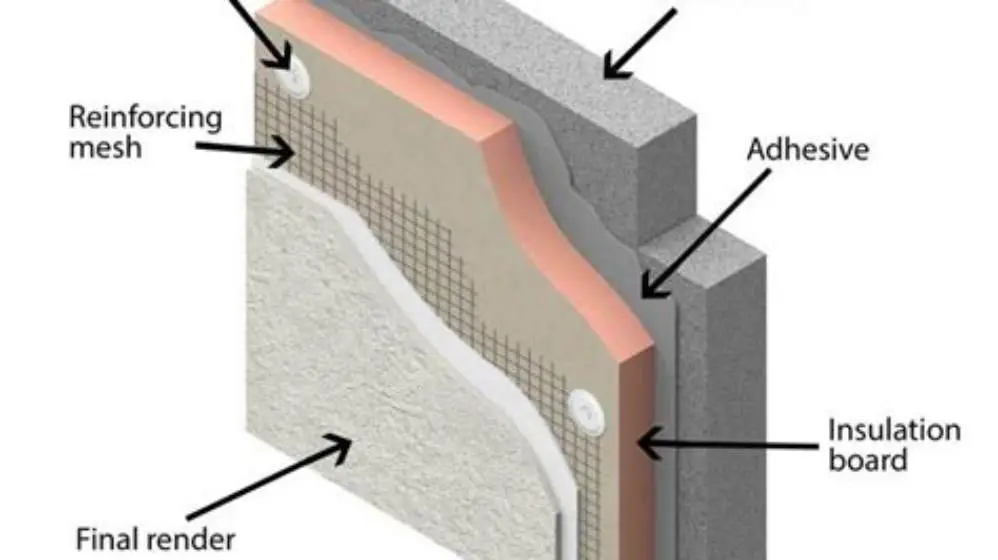
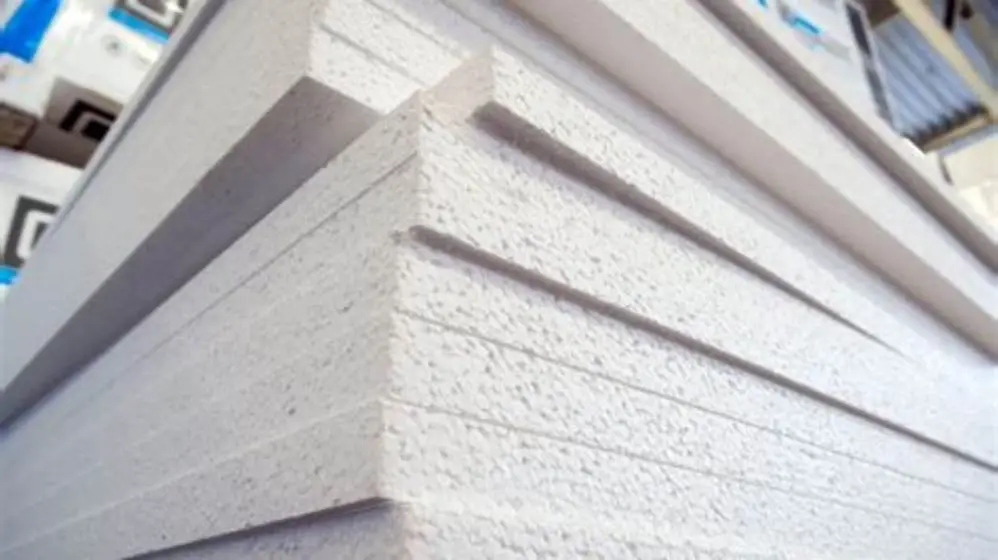
Thin rigid insulation boards, around 12-20mm thick, are the most affordable option but their thermal resistance per millimeter is lower, typically less than half that of spray foam or aerogel. They are better suited for secondary insulation layers or where minimal thickness is acceptable. There is more on external wall insulation boards for rain exposed walls in a separate guide.
| Insulation type | Typical thickness (mm) | Approximate R-value per mm | Ease of installation | Cost |
|---|---|---|---|---|
| Spray foam (closed cell) | 40-50 | 0.035 to 0.028 m²K/W per mm (3.5-4.5 R/m) | Professional | Moderate to high |
| Aerogel blanket | 10-15 | 0.07 to 0.1 m²K/W per mm (2.5-3 R per 10mm) | DIY possible with care | High |
| Thin rigid board | 12-20 | 0.015 to 0.025 m²K/W per mm | DIY | Low to moderate |
Insulation that fits 50mm gap behind skirting boards
Skirting boards often leave a narrow cavity behind them, typically around 50mm. Insulating this small gap helps cut drafts from the floor-wall junction, a common source of heat loss.
Flexible aerogel blankets or thin mineral wool rolls compressed to about 40-50mm thickness fit well here. Aerogel’s superior insulation value means a thinner layer achieves the same thermal resistance as a thicker wool layer.
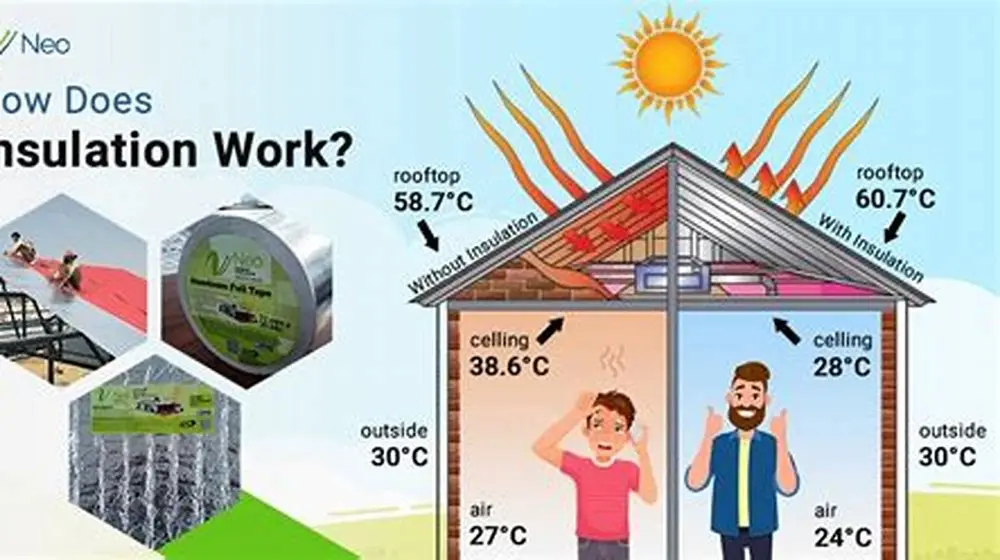
Closed-cell spray foam is another option when access permits. It seals tightly and fills irregular shapes, reducing draughts better than loose or rigid boards that may not seal well. There is more on how does insulation work in a house in a separate guide.
Using a narrow foam backer rod and sealant behind skirting before installing insulation can improve airtightness. Without airtightness, even good insulation performs poorly as drafts bypass it.
When choosing insulation for the 50mm gap behind skirting boards, also consider moisture levels. In rooms with higher humidity, mineral wool is more resistant to moisture than aerogel blankets, which can lose efficacy if damp. Applying a vapor barrier behind the insulation may help in such scenarios to protect both the insulation and timber elements from condensation damage.
A practical check to confirm insulation effectiveness behind skirting is to monitor the wall and floor temperature on cold days using an infrared thermometer. After installation, a consistent temperature with reduced cold spots indicates good insulation and airtightness. If cold drafts persist, re-examining the sealant and insulation fit is advisable. It helps to understand choosing the right insulation material before going further.
- Aerogel blanket: fits 10-15mm thickness, high R-value.
- Mineral wool roll: compress to 40-50mm but lower R-value.
- Spray foam: professional application fills irregular gaps.
- Backer rod plus sealant: improves airtightness behind skirting.

Necygoo Taper Composition Gauge 1-6 Inch 1-15 Gap Diameter Depth Measuring
Measures narrow gaps from 1 to 15 mm with 0.1 mm accuracy, fitting your need to measure cavity depth precisely.
Insulating timber floor over unheated cellar with thin materials
When insulating a timber floor above an unheated cellar, the goal is to reduce heat loss upwards while avoiding height reduction in already low floor-to-ceiling spaces.
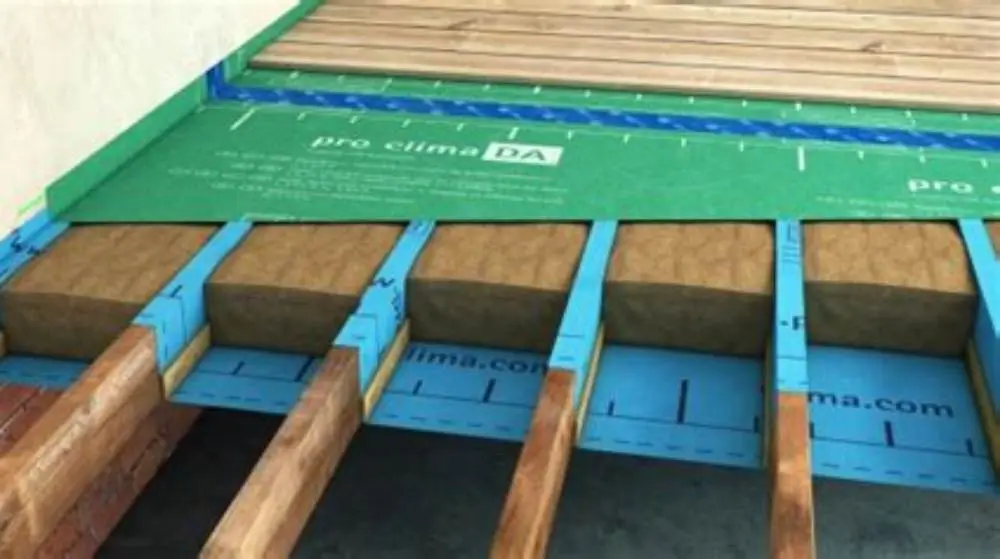
Rigid insulation boards with thicknesses between 20 and 45mm work well under floorboards or between joists if there is clearance. Closed-cell spray foam applied beneath the floor can provide continuous insulation and air sealing, but requires professional spraying and ventilation consideration.
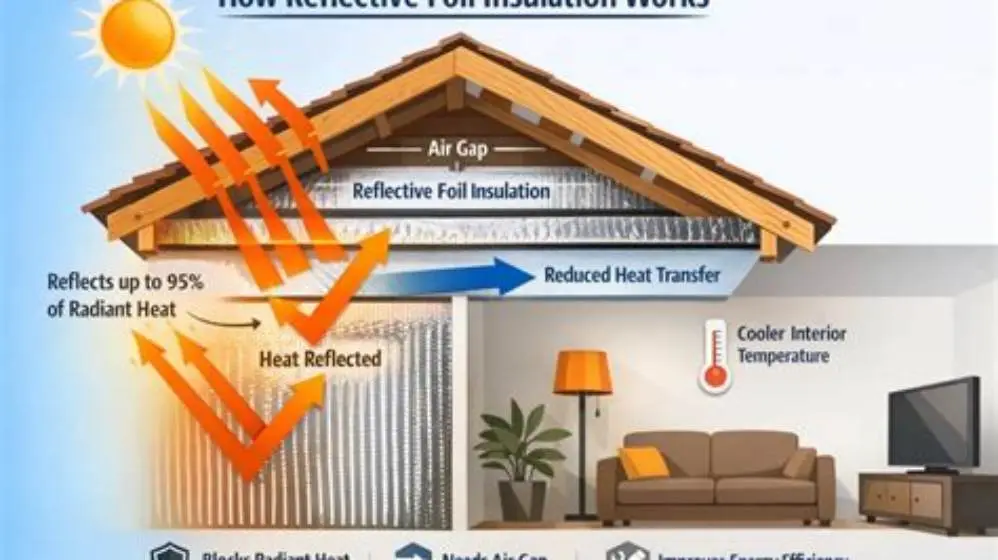
Thin aerogel mats or blankets can be laid beneath floorboards if the thickness is critical, providing superior insulation in just 10-15mm thickness. However, they are costly and should be combined with airtight sealing. Before you commit to anything, it is worth looking at working of reflective foil insulation.
A cheap alternative to reduce drafts from the floor junction with the wall is to install draught proofing strips or foam gaskets between floorboards and skirting, reducing convection without adding much thickness.
In cases where the timber joist depth is less than 45mm, floor insulation options become even more limited, making materials like aerogel mats nearly indispensable despite their cost. For example, a 40mm thick spray foam layer under floorboards typically achieves an R-value around 1.4, whereas a 15mm aerogel mat can provide a comparable R-value close to 1.2, illustrating why thin materials are critical in tight spaces.
When installing thin insulation beneath floorboards, securing a continuous airtight membrane on the warm side of the insulation is crucial to prevent moisture ingress from the heated space above. Failure to do so can result in condensation within the insulation, deteriorating performance and potentially causing timber rot. Verifying airtightness with a blower door test after installation can ensure the floor insulation system functions as intended.
- Rigid boards: 20-45mm thickness, moderate insulation.
- Spray foam: 40-50mm, high performance, professional install.
- Aerogel mats: 10-15mm, excellent insulation, costly.
- Draught proofing strips: cheap draft stopper, no thermal gain.
Cheap ways to stop drafts from wall junction with floor
Drafts at the wall-floor junction cause significant heat loss, especially in old or poorly fitted skirting. Sealing this junction can reduce heating bills quickly and cheaply.
The most affordable method is using foam backer rods and flexible sealants around skirting bases and where floors meet walls. This stops cold air infiltration without providing insulation but reduces convective heat loss.
Self-adhesive draught proofing strips applied behind skirting or along floor edges create a barrier against moving air. They cost little and require no specialist tools.
Combining a slim insulation blanket behind skirting with airtight sealing yields the best result for minimal thickness. Use 10-15mm aerogel blankets or mineral wool rolls compressed to the gap size.
Insulation alone won’t stop drafts; airtightness measures must come first to maximize thermal benefits.
- Foam backer rod plus sealant: cheapest draft stopper.
- Self-adhesive draught strips: easy DIY application.
- Aerogel or mineral wool slim blanket: add insulation behind skirting.
- Prioritize airtightness before adding insulation.
Insulation for walls in rolls fitting 45mm stud bay
Traditional mineral wool rolls typically range from 50 to 100mm thick and can be compressed to fit into 45mm stud bays, but compressing reduces their R-value by up to 30%.
Some manufacturers offer thin mineral wool rolls specifically for narrow stud bays, around 40-45mm thick, but their insulation value is significantly lower than full-thickness rolls.
An alternative is thin semi-rigid or flexible boards designed to fit narrow cavities without compression, though these often have lower performance per millimeter than spray foam or aerogel.
Using aerogel blankets in roll form has become viable and gives superior insulation in narrow cavities without compression losses, but availability and cost may limit use.
Spray foam remains the most thermally efficient choice if professional application is feasible and cavity depth is strictly limited.
A worked example illustrates the impact of compressing mineral wool rolls: a 70mm roll with an R-value of 2.0, when compressed to fit a 45mm stud bay, typically loses about 30% of its thermal resistance, reducing its R-value to approximately 1.4. This significant reduction means that although the material fits, the effective insulation is much lower, supporting the preference for purpose-made thin insulation or spray foam in narrow bays.
To avoid performance loss, some manufacturers produce semi-rigid boards with proprietary fiber arrangements to maintain loft and R-value even when thin. These boards, often 12-20mm thick, can deliver an R-value of about 0.8 to 1.0, which, while less than spray foam, avoids the pitfalls of compressed rolls. Choosing these materials depends on availability and budget constraints.
| Type | Nominal thickness (mm) | Fitting method | R-value change from compression | Thermal efficiency |
|---|---|---|---|---|
| Standard mineral wool roll | 50-100 | Compressed to 45mm | Up to 30% loss | Moderate |
| Thin mineral wool roll | 40-45 | Fits without compression | Minimal loss | Lower absolute R-value |
| Aerogel blanket roll | 10-15 | Fits easily | None | High |
| Spray foam | 40-50 | Sprayed in place | None | Highest |
For 45mm stud bays, spray foam yields the best thermal performance if professionally applied; aerogel blankets offer excellent thin insulation but at high cost; thin rigid boards are budget-friendly but less effective.
Quick questions
Can I use standard mineral wool rolls in a 45mm stud bay without losing performance?
No, compressing standard mineral wool rolls from their typical 50-100mm thickness down to 45mm reduces their R-value by roughly 20-30%, weakening insulation. Use thin rolls or alternatives made for narrow cavities.
Is spray foam safe to use inside narrow stud bays?
Spray foam is safe if applied by certified professionals who follow ventilation and fire safety guidelines. Improper application risks gaps, moisture trapping, or overexpansion that can damage framing.
How do aerogel blankets compare cost-wise to other insulation?
Aerogel blankets cost 3-5 times more per square meter than mineral wool or rigid boards but provide much higher thermal resistance in very thin layers, suitable for space-restricted situations.
Can I install insulation behind skirting boards myself?
Yes, if the cavity is accessible and the insulation is thin enough such as aerogel blankets or compressed mineral wool rolls. Ensuring airtightness with sealants is equally important.
What is the cheapest way to reduce drafts at the wall-floor junction?
Using foam backer rods combined with flexible sealant and self-adhesive draught proofing strips is the cheapest effective method to block drafts without adding insulation thickness.