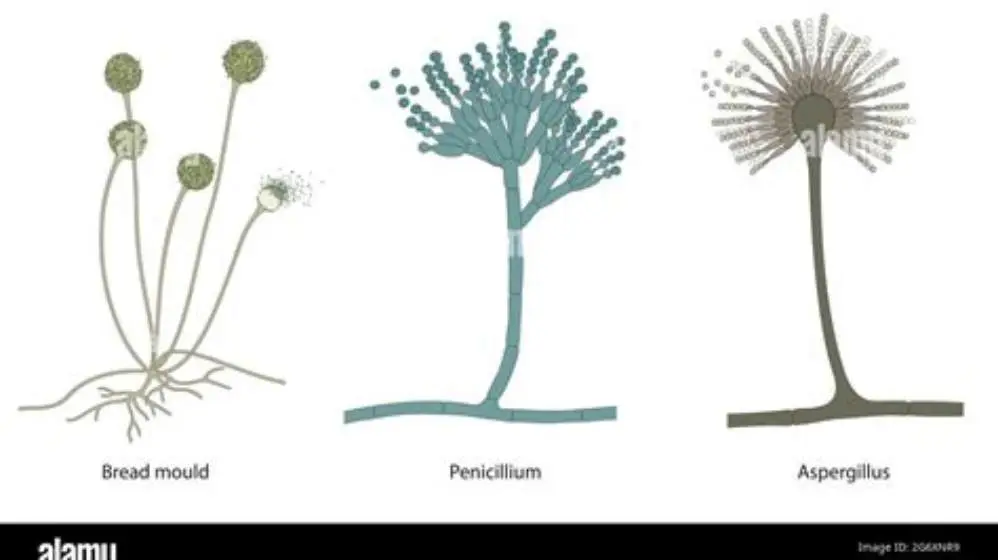
Yes, Aspergillus is a mould genus within the fungi kingdom. Many species grow more readily as moisture rises, but no single humidity reading proves Aspergillus will grow. Species, temperature, surface material and exposure time all matter.
On this page
Part of our guide on how mvhr units function
Quick facts
- Classification
- A genus of filamentous fungi
- Species count
- Hundreds of described species; taxonomic estimates vary
- Indoor identification
- Colour alone cannot identify Aspergillus
- Main growth factors
- Moisture, substrate, temperature, time and species
- UK guidance
- Approved Document F covers ventilation; condensation guidance also applies
Quick recap
- Aspergillus is a genus of filamentous fungi, not one single mould
- Species differ in indoor habitats, growth conditions and health effects
- Sustained moisture on a suitable surface creates a greater mould risk
- UK guidance covers ventilation and condensation risk, not one universal indoor humidity limit
- Measure humidity carefully, remove moisture sources and clean small areas safely
Check what Aspergillus means
Aspergillus is classified as a mould, not a bacterium or virus. It belongs to the fungi kingdom and grows as thread-like hyphae. Those hyphae can form visible colonies on suitable materials.
Aspergillus includes hundreds of described species, although taxonomic estimates vary. Several species occur indoors, but the exact mix depends on the building, sample and test method. Indoor studies cannot support one fixed count for every UK home.
Species also behave differently. Aspergillus fumigatus is associated with some serious infections, especially in people with weakened immune systems. Aspergillus niger and Aspergillus flavus can occur in indoor and outdoor environments, but finding a species does not by itself prove disease risk.
Mould identification needs microscopy, culture or molecular testing. Green, grey or black colour is not enough. Many unrelated moulds look similar on walls and furnishings. People in this spot often ask about improving indoor air quality as well.
See how Aspergillus grows
Aspergillus produces microscopic spores called conidia. Colonies can release very large numbers of spores into the air, especially when disturbed. The amount depends on the species, colony age, surface and surrounding air movement.
Some Aspergillus spores have hydrophobic surface properties. These properties can affect how particles aerosolise, settle and spread. Species differences matter, so avoid treating every spore as behaving identically.
Under favourable conditions, some species can show visible growth within days. Other species or substrates can take longer. Published growth rates vary between laboratory studies and real buildings, so a fixed growth timetable is unreliable. For the detail, see our notes on hepa filter mould remediation in ventilation.
Growth likelihood rises as relative humidity stays elevated, but humidity alone is not enough. A suitable surface, temperature and duration are also needed. Dust, paper, timber, fabrics and other organic materials can support growth when they remain damp.

HT607 Temperature Humidity Meter
Shows ambient relative humidity and temperature on a large 2.26" screen so you can monitor room conditions at a glance.
Link indoor damp with mould risk
Sustained elevated relative humidity increases mould risk when surfaces stay damp. The length of exposure and surface temperature often matter more than one short-lived peak. A damp patch can support growth even when room air later feels dry.
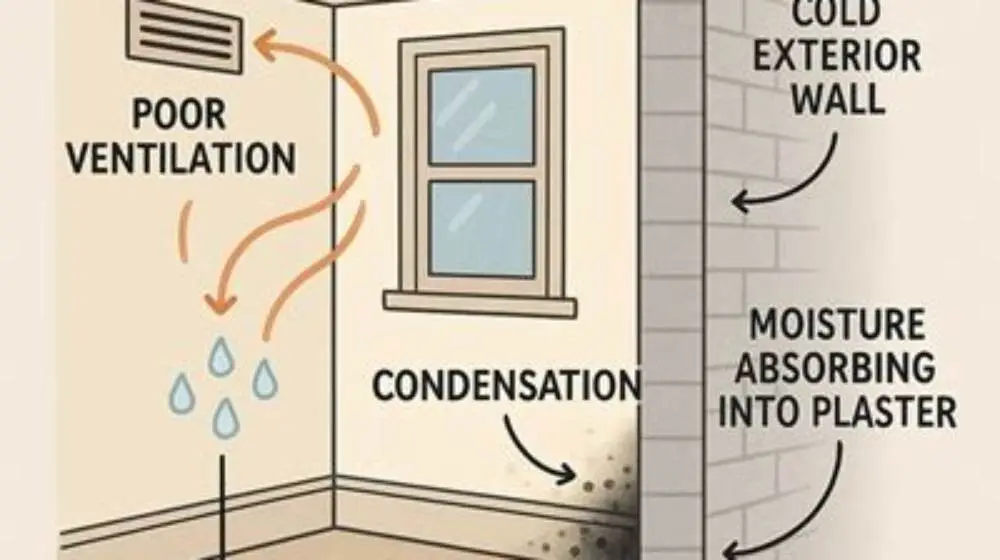
Condensation forms when warm, moist air meets a colder surface. Common sites include window frames, external-wall corners, cupboards against outside walls and areas around leaking pipes. A ventilation problem can worsen moisture, but it is not the only possible cause. The other half of this decision is condensation and black mould on walls how to stop it.
New windows or insulation can reduce unintended air leakage. That change does not create Aspergillus by itself. Moisture control and ventilation may need review after retrofit work, especially where condensation appears.
UK Building Regulations do not set one universal indoor relative-humidity limit for every home. Approved Document F covers ventilation provisions in England. CIBSE guidance covers ventilation design, while BS 5250 addresses moisture and condensation in buildings. These documents are guidance or regulatory provisions for defined situations, not proof that a particular mould is present.
Find the places mould can establish
Look for moisture before blaming a particular mould. Check window frames, external-wall corners, bathroom ceilings, pipework, roof spaces and areas behind large furniture. A musty smell can indicate damp material, but it cannot identify Aspergillus. We cover best ventilation for airtight homes in its own article.
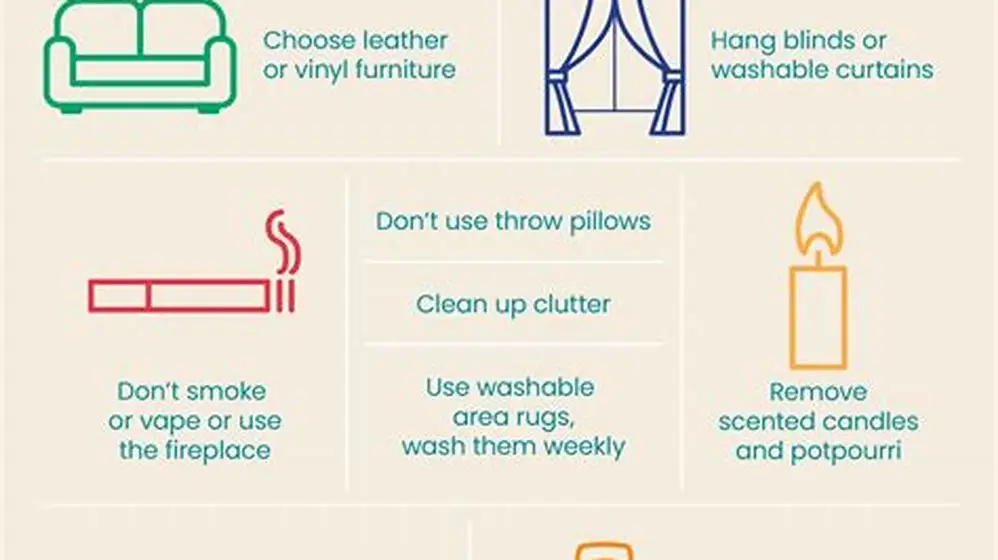
Soft furnishings need extra care. Mattresses, curtains, carpets and sofa cushions can hold moisture after leaks or repeated condensation. Porous materials are harder to clean because growth can penetrate below the surface.
Lofts and floor voids need inspection after roof leaks, plumbing failures or insulation problems. Damp insulation and timber can support mould. Do not assume a visible wall patch started inside a hidden cavity.
Photograph the area and record the source of moisture. A building surveyor or damp specialist can investigate leaks, cold bridges and ventilation performance. Avoid paying for air testing before fixing an obvious moisture source. For the detail, see our notes on bathroom fan not clearing shower steam.
- Window frames and sills where condensation collects
- External-wall corners behind furniture
- Bathroom ceilings and areas around pipework
- Lofts, roof spaces and floor voids after water ingress
- Carpets, fabrics and furnishings affected by damp
Measure humidity without misleading yourself
Use a digital hygrometer to track relative humidity, not to diagnose Aspergillus. Sustained readings above typical indoor comfort ranges suggest a greater mould risk, but they do not predict growth on every surface.
Place the instrument away from radiators, windows, cookers, vents and direct sunlight. Measure near the affected room, then compare with a central position. Take readings at different times because cooking, bathing and weather change the result.
Check the instrument against its stated accuracy and replace weak batteries. A calibration check using a recognised salt-test method can reveal a large error, but home checks are not a substitute for laboratory calibration. Record temperature, humidity, time and room activity.
Look for patterns over several days rather than trusting one number. A short shower-related peak differs from moisture that remains high for long periods. Surface temperature and condensation can matter even when the room reading looks moderate.
Use a moisture meter only as a screening tool. Different materials and meter types produce different readings. A surveyor can confirm hidden damp with suitable equipment and building knowledge.
Remove moisture and clean mould safely
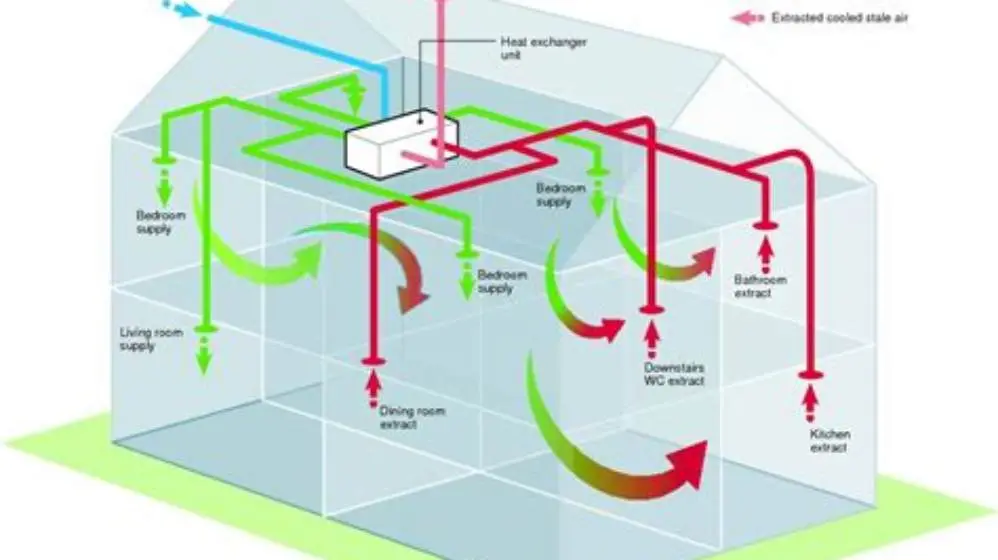
Fix the water source before cleaning. Repair leaks, clear blocked gutters, improve extraction and keep furniture slightly away from cold external walls. Follow Approved Document F for applicable ventilation requirements. Bathroom extraction rates are specified in litres per second for relevant systems, not as one universal air-change target.
Open windows when practical and use existing extractors during moisture-producing activities. Keep internal air paths clear and do not block permanent vents. Dry laundry outdoors or in a properly ventilated area where possible. A typical wet load can release litres of water indoors, depending on fabric and drying conditions.
Clean small areas of mould only if you can work safely. Wear gloves, eye protection and a well-fitting mask, and ventilate without spreading contaminated dust. Do not dry-brush mould or mix bleach with other cleaners. Follow the product label and test cleaning methods on a small area.
Porous items with extensive growth may need disposal rather than surface cleaning. Seal contaminated waste in bags before removal. Washable hard surfaces can often be cleaned with detergent and water, then dried fully. Bleach is not a universal solution and will not remove the moisture source.
Call a professional after major flooding, sewage contamination, hidden growth, extensive porous-material damage or persistent recurrence. People with asthma, severe allergies, chronic lung disease or weakened immunity should avoid cleaning mould and ask a clinician or qualified remediation service for advice.
- Find and repair leaks, condensation sources or drainage faults
- Track room humidity and temperature in representative positions
- Improve extraction and keep vents, grilles and air paths clear
- Clean small hard-surface areas with protection and minimal dust
- Discard heavily contaminated porous materials safely
- Get specialist help for extensive, hidden or recurring growth
Quick questions
Can I identify Aspergillus by its colour?
No. Aspergillus colonies can have different colours, and other moulds can look similar. Identification needs laboratory microscopy, culture or molecular testing. Do not rely on colour when deciding how to manage damp.
Is Aspergillus dangerous to my health?
Most healthy people encounter environmental Aspergillus spores without becoming ill. Some species can cause allergy, asthma-related problems or infection in susceptible people. Risk depends on the person, exposure and species. Seek medical advice for persistent breathing symptoms or known immune problems.
Does poor ventilation always cause Aspergillus?
No. Poor ventilation can leave moisture in a room, but leaks, condensation, cold surfaces and building defects can have the same result. Find the moisture source instead of assuming ventilation is the only problem.
Can bleach or vinegar remove Aspergillus?
Cleaning can remove visible mould from some hard surfaces, but it cannot repair damp materials. Never mix cleaning products. Porous materials with extensive growth may need disposal. Fix the moisture source and use professional help for large or hidden contamination.
Will a HEPA air purifier stop Aspergillus?
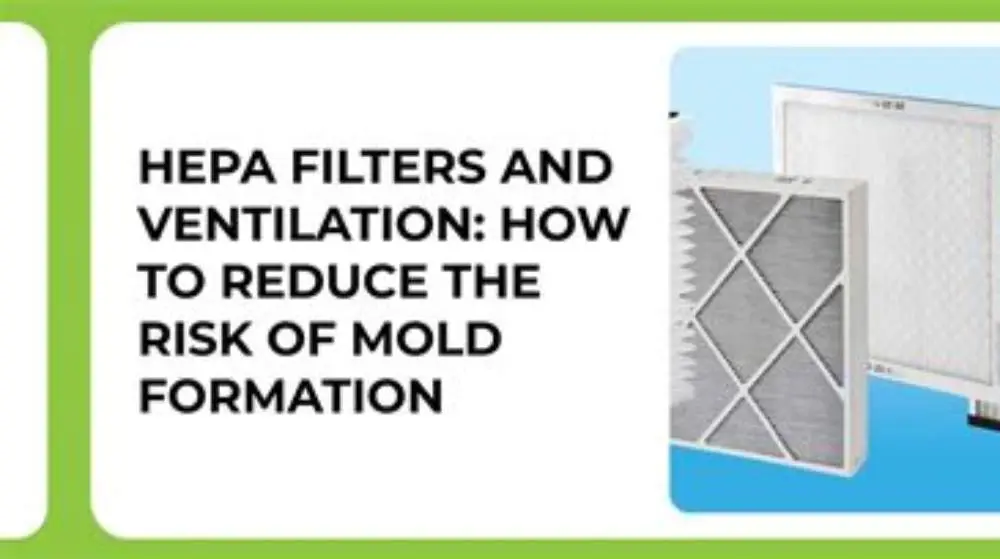
A correctly sized HEPA purifier can reduce airborne particles near the unit. It cannot remove established growth or prevent damp surfaces from becoming colonised. Use it as a supplement, not as a replacement for moisture control and ventilation.
Should I test the air for Aspergillus?
Routine air testing rarely answers whether a home is safe. Outdoor spore levels change, sampling methods differ and results can be hard to interpret. Fix visible damp first. Seek advice from an environmental health professional or building surveyor when growth is extensive or unexplained.