A bifacial solar panel generates electricity from both its front and rear surfaces, capturing reflected and diffused light, usually increasing energy output by 10-30% compared to standard single-sided panels under suitable ground and installation conditions.
On this page
- Quick recap
- What is a bifacial solar panel
- How bifacial panels generate electricity
- Benefits of bifacial panels over monocrystalline or monofacial panels
- Typical applications and installation considerations for bifacial panels
- How bifacial solar panels generate electricity
- When bifacial solar panels outperform monofacial panels
- Quick questions
Part of our guide on solar battery installation process
Quick facts
- Power gain
- 10-30% more
- Typical efficiency
- 18-22% front side
- Rear side gain
- 5-15% extra
- Ideal ground albedo
- 30-50% plus
- Common installation tilt
- 15-40 degrees
- Usual warranty
- 25 years
Quick recap
- Bifacial panels convert sunlight from front and back sides.
- They boost energy output significantly if mounted properly.
- Best on reflective, bright surfaces with open rear access.
- Installation and site conditions strongly affect returns.
- Not always better than monofacial in shaded or flat setups.
What is a bifacial solar panel
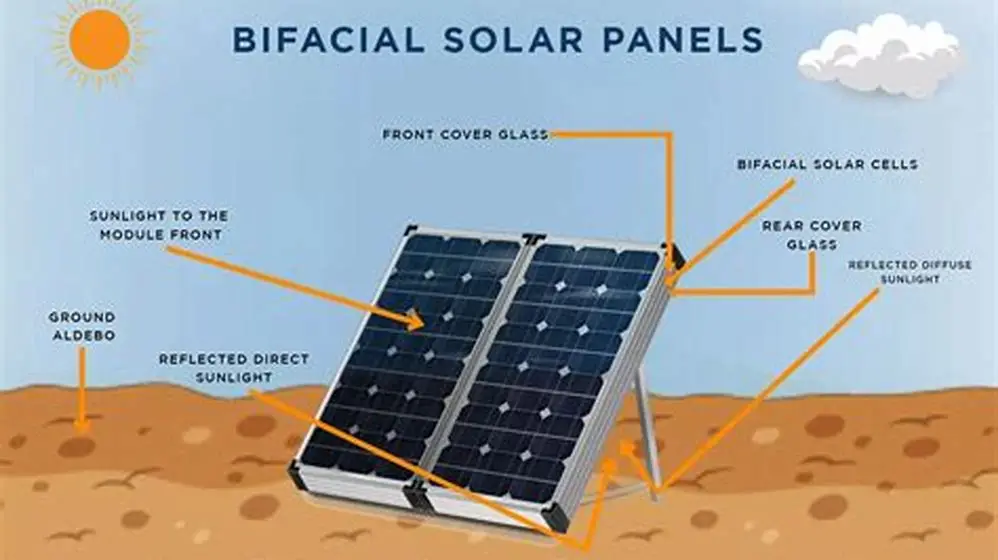
A bifacial solar panel is a photovoltaic module designed to capture sunlight on both its front and rear surfaces. Unlike traditional monofacial panels that only convert light that hits their front, bifacial panels can generate power from sunlight reflected off surrounding surfaces and diffused light in the environment.
The panel’s two-sided construction uses transparent backsheets or glass instead of opaque backing, allowing light to reach the rear solar cells. This design expands the panel’s energy harvesting capability, but the actual increase depends heavily on installation conditions such as ground reflectivity and panel height.
Manufacturers typically rate bifacial panels by the output from the front side alone, with the rear generating an additional 5-15% power under common field conditions. The total gain can reach up to 30% or more when mounted optimally over bright, reflective surfaces.
How bifacial panels generate electricity
Bifacial panels use solar cells arranged on both faces to convert sunlight into electricity. The front side captures direct sunlight, while the rear side absorbs reflected light from the ground or nearby surfaces, as well as ambient diffused light. The other half of this decision is deciding on home battery installation.
The magnitude of rear-side electricity generation depends on the ground’s albedo, which is the fraction of sunlight reflected. Typical ground albedos range from 10% on soil to 30-50% on white gravel or concrete. Snow or clean sand can raise this above 60%.
Mounting height and tilt angle also influence the rear side’s exposure. Panels raised 0.5 meters or more above ground with a tilt of 15-40 degrees usually maximize energy capture from the rear side. Under flat or shaded installations, the rear side’s contribution drops sharply.
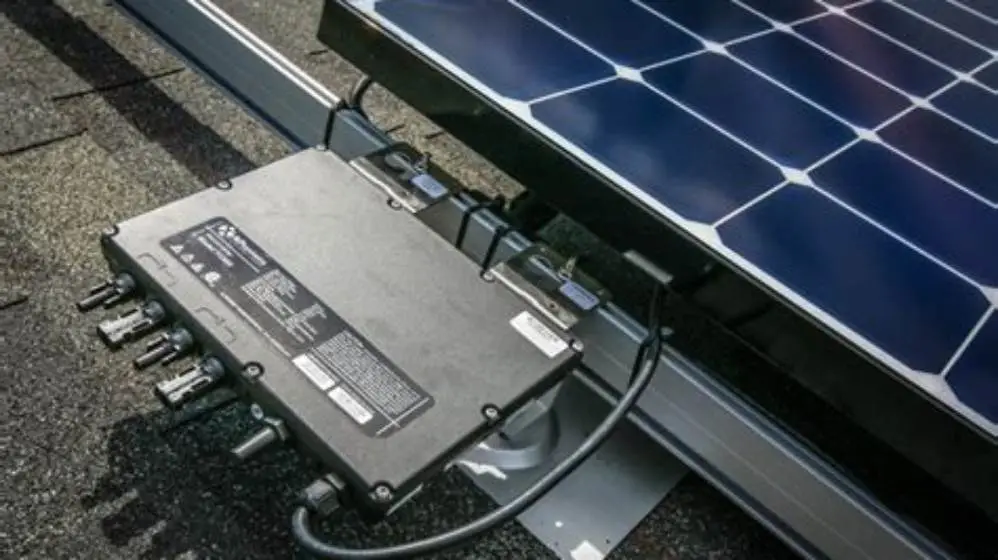
Bifacial panels connect the front and rear solar cells in parallel; a balance-of-system design ensures the maximum power point tracking accounts for dual input, unlike monofacial panels. It helps to understand microinverters vs central inverters before going further.

AH-SOL Solar Power Meter
Helps you measure solar irradiance precisely with an industrial-grade photodiode sensor, supporting up to 99 data points for assessing ground reflectivity.
Benefits of bifacial panels over monocrystalline or monofacial panels
The primary benefit is the potential to increase energy output by 10-30% without increasing panel footprint. This can reduce the levelized cost of energy where the installation conditions allow reflective light to reach the rear face.
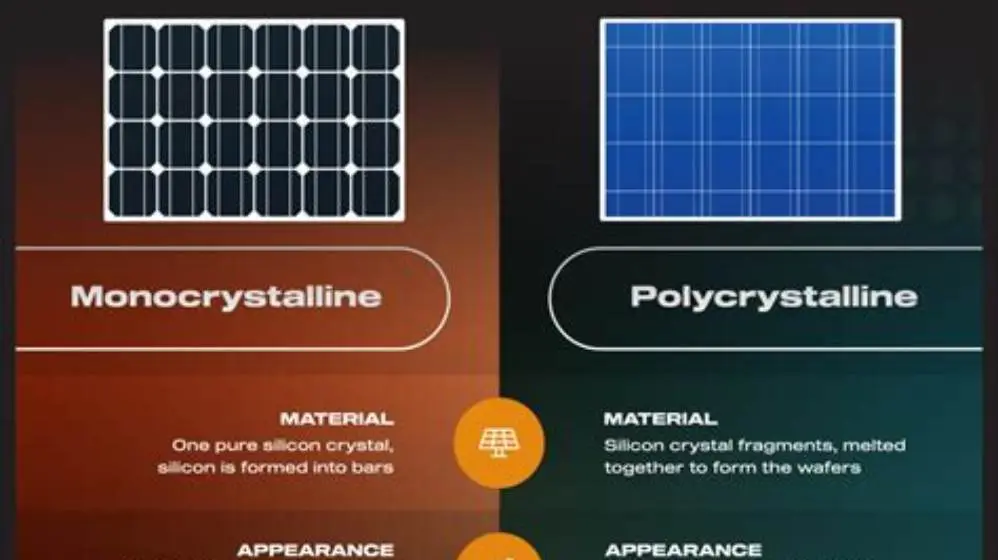
Bifacial panels often have similar or slightly higher efficiency cells than monocrystalline monofacial panels, but the added rear generation is the main gain. They also tend to have longer lifespans because glass backsheets are more durable than polymer ones.
Compared with traditional panels, bifacial modules can lower system costs per watt if the site has reflective surfaces or allows ground preparation to boost albedo. However, they are generally 5-20% more expensive upfront due to more complex packaging and materials. We cover practical use of panel types in its own article.
In shaded, low-reflectivity environments or where mounting height is limited, bifacial panels may produce similar or even less electricity than monofacial panels, negating the cost benefit.
Durability under harsh weather (hail, wind) is usually comparable or better with bifacial modules, especially glass-glass types.
- Higher energy yield in right conditions
- Potentially longer lifespan
- Better durability with glass backsheets
- Higher initial cost
- Performance depends on site reflectivity
- Installation complexity can increase
Typical applications and installation considerations for bifacial panels
Bifacial panels are ideal for ground-mounted solar farms, flat commercial roofs, and situations with reflective surfaces such as white gravel, concrete, or sand underneath. They also perform well in snowy environments where the ground reflectance is high. There is more on preventing roof leaks in a separate guide.
Installers should consider raising the panels at least 0.5 meters above ground to give the rear side enough exposure to reflected light. Avoid shading on the rear face, as shadows reduce gains significantly.
Proper site preparation can improve ground albedo. This might involve adding reflective surfaces or light-colored ground cover, but the cost and durability of these treatments must be weighed against the energy gain.
Wiring and mounting structures must accommodate the extra wiring for rear cells and possibly stronger support for heavier glass-glass bifacial panels. This can add to installation time and cost. We go through how do solar power batteries work step by step elsewhere on the site.
In residential settings, bifacial panels often require more space or special mounting to justify the premium over standard monofacial panels, so a site assessment is key.
How bifacial solar panels generate electricity
This section explains the physics behind bifacial panels’ two-sided power generation: photons strike the front solar cells, producing electric current, while reflected photons reaching the rear side add further current.
The rear side power depends on several factors: the surface reflectance beneath the panels, the tilt and height of the mounting, and the diffuse ambient light present.
Energy output from rear cells is typically between 5-15% of the front cells’ output but can reach as high as 30% in optimal conditions like snow-covered ground or bright concrete surfaces.
A critical element is the installation angle; panels tilted between 15 and 40 degrees capture more reflected sunlight on the back, compared with flat-mounted systems. Rear shading from racks or nearby objects reduces output dramatically.
When bifacial solar panels outperform monofacial panels
Bifacial panels outperform monofacial ones mainly when the surrounding environment provides high reflectivity and when panels are mounted to maximize rear exposure. This includes open ground-mounted arrays over white surfaces or snow, or elevated commercial rooftops.
In typical residential roofs with dark shingles and limited space for panel elevation, the energy gain is often below 10%, which may not justify higher costs.
Large-scale installations designed with bifacial technology in mind can achieve 15-30% more electricity per panel, improving project economics and reducing space requirements.
If the site includes shading on the rear side or the ground is matte and dark, monofacial panels might actually be more cost-effective due to their lower upfront cost and simpler mounting needs.
| Installation Type | Typical Energy Gain (%) | Cost Impact | Best Use Case |
|---|---|---|---|
| Ground-mounted, reflective surface | 20-30 | Higher upfront | Solar farms, commercial sites |
| Flat roof, light-colored surface | 10-20 | Moderate upfront | Commercial rooftops |
| Residential roof, low reflectivity | 0-10 | Higher upfront | Limited benefits, consider monofacial |
| Shaded or dark ground | 0 or negative | Higher upfront | Avoid bifacial |
Quick questions
Can bifacial panels work on flat roofs?
Yes, but their rear side energy gain depends on mounting height and ground reflectivity. Raising panels at least 0.5 meters and using reflective surfaces underneath improves performance.
Are bifacial panels more expensive than monofacial panels?
Typically, they cost 5-20% more upfront due to dual-sided solar cells and robust glass construction. The price premium is often offset by increased energy yields, depending on installation.
Do bifacial panels need special inverters?
They do not require unique inverters but need systems that support bifacial module maximum power point tracking to optimize combined front and rear outputs.
Is it worth replacing existing panels with bifacial ones?
Usually not unless your site has high-reflectivity surfaces or you can modify your mounting for rear exposure. Retrofitting monofacial arrays is often less cost-effective.
How does snow affect bifacial panel performance?
Snow dramatically increases ground reflectivity (albedo), boosting rear-side generation up to 30%, but it also can cover panels and block light if accumulation is heavy.