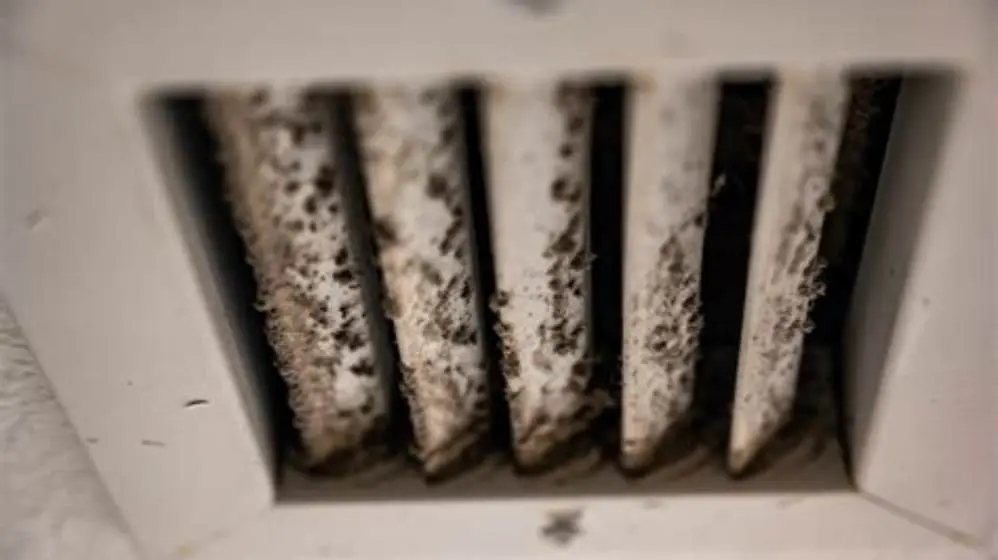
Mould spores can return after an extractor fan runs because the fan removes moisture but doesn't remove the damp source, or because air leaks in elsewhere and the room stays above roughly 70% relative humidity. Run three checks: airflow, humidity and fan performance.
On this page
- Fit check
- Quick recap
- Why mould spores can reappear after running an extractor fan
- Check 1: test whether the airflow actually reaches outside
- Check 2: measure the humidity and find where the water comes from
- Check 3: test the fan for faults and poor installation
- Make ventilation changes that fix the cause, not the symptom
- Measure the result and know when to stop chasing the fan
- Quick questions
Part of our guide on mould remediation with hepa filter in ventilation system
Tells you whether your room is still sitting above the 70% humidity band after the fan switches off, and the
Check the specs on Amazon
Hehou 5.9 Inch Bathroom Exhaust Fan with Humidity Sensor and
110 CFM published, converted to ~187 m³/h; no m³/h figure printed and no room volume given to match it against
Check the specs on Amazon| Product | The spec that decides it | Verdict | |
|---|---|---|---|
| Testo 605i Thermohygrometer Testo | Reads relative humidity and temperature, and logs readings in the app - the memory function the brief wanted | Not published | View on Amazon |
| Hehou 5.9 Inch Bathroom Exhaust Fan with Humidity Sensor and Timer Hehou | 110 CFM published, converted to ~187 m³/h; no m³/h figure printed and no room volume given to match it against | Not published | View on Amazon |
Quick facts
- Mould growth threshold
- About 70% relative humidity
- Target indoor humidity
- 40-60% relative humidity
- Fan test duration
- 20-30 minutes
- Typical bathroom air changes
- 6-10 per hour
- Humidity check spacing
- Every few hours for 24 hours
- Extractor sizing
- Room volume in cubic metres
Quick recap
- Run the fan for 20-30 minutes, then check moisture and airflow at the grille.
- Keep indoor relative humidity below about 60% where possible.
- Check for air leaking around the duct, ceiling void or back of the fan.
- Look for condensation on the fan grille, duct or ceiling after use.
- A mould-resistant bathroom needs a fan rated for its room size, ducted to outside air.
- Persistent black mould needs the damp source fixed, not more fan hours.
Why mould spores can reappear after running an extractor fan
A bathroom extractor fan does one job well: it pulls moist air out. It does not dry a soaked wall, remove a leaking pipe or clear spores already sitting on a surface. So the visible black bloom can vanish after a deep clean while the conditions that grew it remain.
The usual trigger is a room that spends much of the day above 70% relative humidity. Above that level, mould can germinate on wet or dusty surfaces within about 48-72 hours, depending on temperature and surface condition. Warm rooms speed this up. A cold, unheated bathroom with a closed door can stay in that band for hours.
Running the fan for ten minutes before a shower barely changes anything. The fan needs to run during and for 20-30 minutes after the shower, with the door open. A timer switch or humidistat-controlled fan does this without you remembering.
Second route to the same result: the fan moves air but the moisture has no exit. A blocked or disconnected duct, a fan running backwards, or a grille blocked by a shelf means moisture stays in the room and settles back onto surfaces. The wall around the grille often shows this first. The other half of this decision is short runtime affecting steam removal.
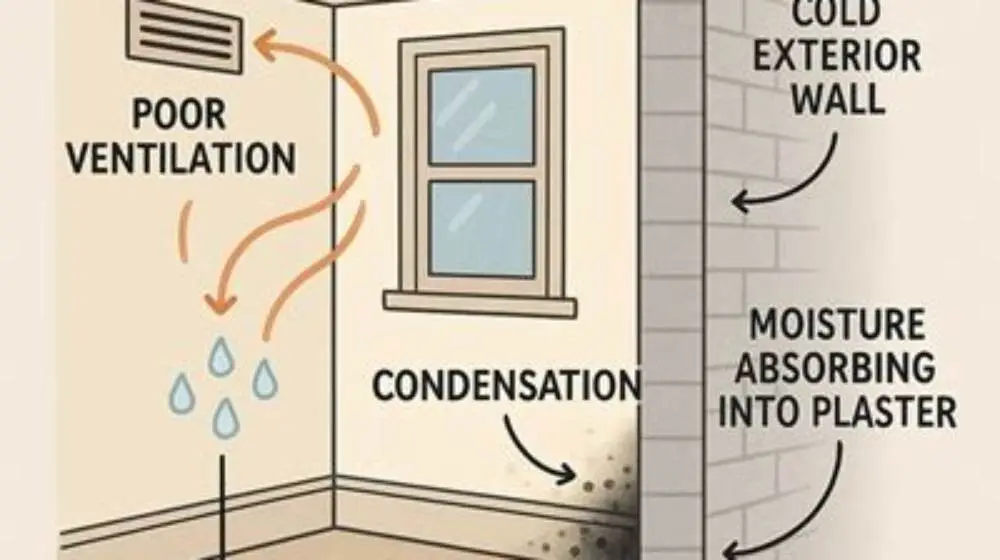
Third route: fresh air arrives from elsewhere and brings its own moisture. Cold outdoor air condensing on a cold wall in a draughty room creates exactly the damp patch a fan cannot reach. Airing helps only if the incoming air is actually drier than the room air.
So the fan isn't the problem in itself. The problem is a system where moisture enters faster than it leaves, or where the fan never actually discharges. Diagnose which one applies before buying anything.
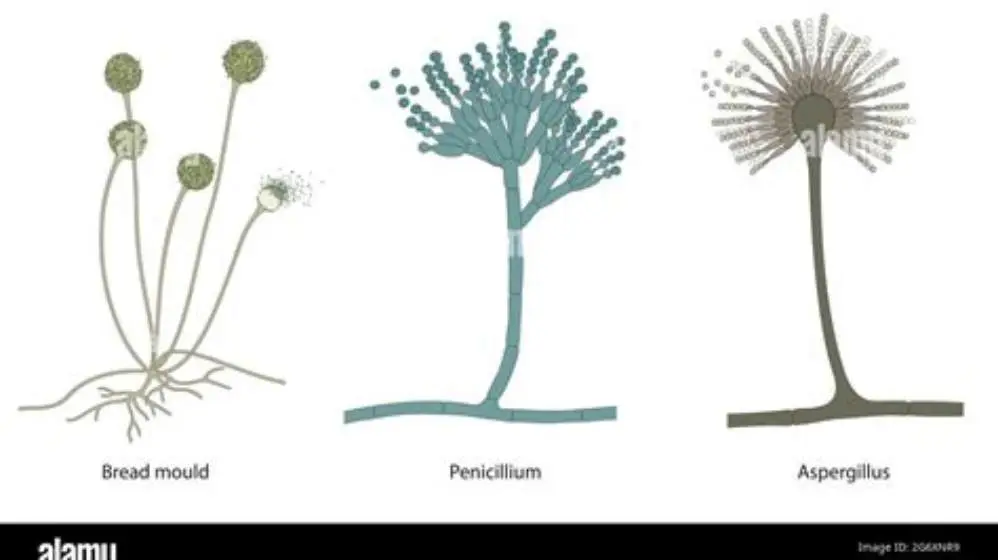
Mould spores are also airborne in small amounts even after cleaning. If the underlying humidity and damp stay, they settle again and germinate. That's why the pattern repeats rather than staying fixed. We cover aspergillus genus mould in its own article.
Check 1: test whether the airflow actually reaches outside
Start with the tissue test at the grille. Firm suction suggests the fan pulls air, while weak flutter points to poor performance or a blocked duct.
Trace the duct through the loft and find its outside discharge. Extractors often end in a loft void, soffit or chimney. Moisture released into a cold roof space condenses beneath the roof and feeds mould back into the home.
A short, straight, sealed duct works better than a long, kinked run. Sharp bends and crushed sections reduce airflow. Flexible aluminium duct often gets crushed during loft insulation work. Check for disconnection and a loose backdraft shutter. The other half of this decision is condensation and black mould on walls how to stop it.
Use a smoke pen or incense stick briefly at the grille. Smoke shows suction direction and air leaking around the fan body. A helper can check the terminal with a candle, but don't test alone. Keep the flame clear of the duct opening.
Air should move from the hallway into the bathroom and out through the grille. No draw at the doorway means the fan has a restricted inlet. Strong grille suction with no outside discharge points to the duct or terminal. Weak grille suction points to the fan, filter or inlet.
- Ducted outside air removes moisture from the room.
- A humidistat fan runs only when needed and can reduce electricity use.
- A loft or chimney terminal returns moisture to the home.
- Long or kinked ducts reduce airflow from a good fan.
- Run the fan for 5 minutes with the door open.
- Hold tissue at the grille and compare firm suction with weak flutter.
- Trace the duct to its discharge point outside.
- Check for crushes, kinks, disconnection and a loose backdraft shutter.
- Test terminal backflow with smoke or a helper's candle.
- Confirm an inlet path exists with the door open.
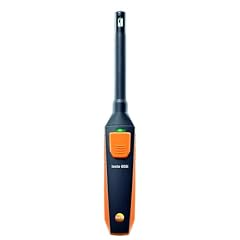
Testo 605i Thermohygrometer
Tells you whether your room is still sitting above the 70% humidity band after the fan switches off, and the app logs every reading so you can see when the moisture creeps back.
- Weight 3.4 oz
- Height 1.96 inches
- Length 5.90 inches
Check 2: measure the humidity and find where the water comes from
Get a number instead of judging mould by smell. Place a thermohygrometer near the damp patch or bathroom wall, not in the doorway. Record relative humidity and temperature before the shower, 20 minutes after it, and next morning with the door shut. It helps to understand washable mesh filter for extractor fan before going further.
Humidity above 70% for hours after the fan runs confirms poor ventilation. A reading in the 40-60% band means the fan is coping, so look for another moisture source.
Check fan timing. A fan running before the shower clears existing humidity, then switches off while the shower adds more. A run-on timer or humidistat control fixes this failure.
Inspect pipe joints, sink undersides and boxing around shower baths. Leaks behind a bath panel keep walls damp. Cold pipes can sweat in warm rooms and wet nearby plaster. There is more on noisy whole house fan on boost in a separate guide.
Condensation on a cold wall follows a pattern. Growth after rain suggests ingress. Growth after a cold spell or overnight heating loss suggests insulation or a thermal bridge. Use a dry finger for a quick smear test. A pin-type moisture meter confirms damp in most homes. Don't make a bathroom dehumidifier your first fix.
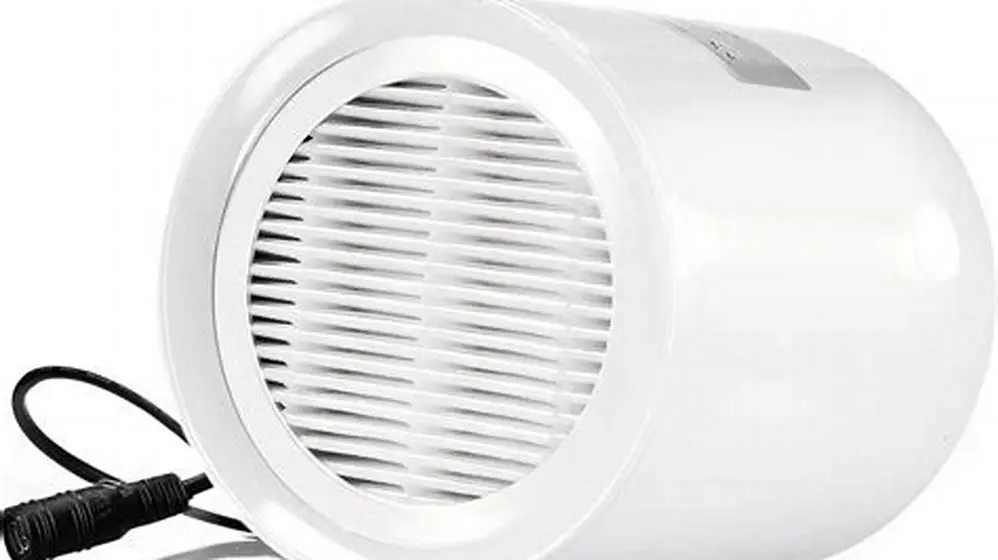
Hehou 5.9 Inch Bathroom Exhaust Fan with Humidity Sensor and Timer 110 CFM
110 CFM published, converted to ~187 m³/h; no m³/h figure printed and no room volume given to match it against
- Size 5.9 inch
- Height 7.6 inches
- Length 5.3 inches
Check 3: test the fan for faults and poor installation
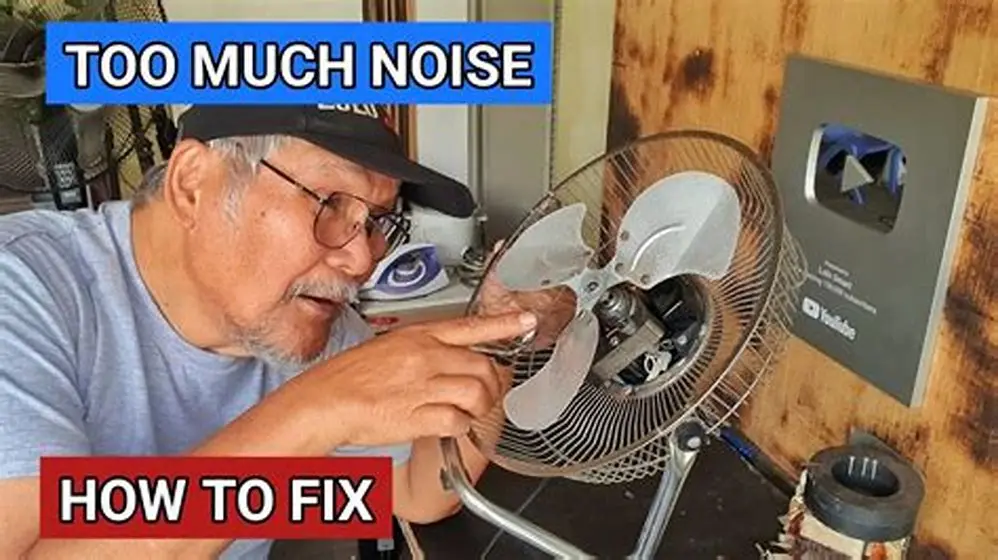
The fan itself can fail in ways that look like a damp problem. Listen to it. A rattling fan usually means a loose motor housing or a loose grille. A fan that runs but sounds strained points to a partially blocked impeller, often dust and grease built up on the blades.
Many extractors have a filter or charcoal odour screen on the back. On a humidistat model, a clogged sensor or filter can stop the fan switching on at all. On a standard model, a blocked inlet grille chokes airflow. Pull the unit down if you're comfortable doing so and clean the impeller and inlet paths.
Check the backdraft shutter. This small plastic flap in the terminal should open when the fan runs and close when it stops. A shutter stuck open lets cold air and insects in. A shutter stuck shut blocks the whole duct, and the fan will still sound normal to the person in the room.
Then check installation standards. A common requirement is a 10-second run-on after the fan switches off, so residual humidity clears. Many cheaper units lack this. Others switch off too early. Read the label on the housing and check what your control does, because the behaviour varies widely between makes.
Confirm the fan is actually the room's main extract. If the bathroom has an open window and the fan both fight each other, you get competing flows and a noisy, less effective system. Choose one: mechanical extraction to outside air, with a trickle vent or undercut for make-up air.
Replace a failed fan with a unit rated for the room volume in cubic metres, and check the stated airflow rate at the low or medium setting. A larger fan forced to run slowly on a timer can be quieter and more efficient than a small fan running flat out.
One part most readers will need is a replacement fan unit with a backdraft shutter and a humidistat option, matched to the existing hole size and duct diameter. Match the duct diameter, don't force a mismatch.
- A humidistat fan runs only when humidity demands it
- A unit with a run-on timer clears residual moisture after use
- A fan without a run-on timer stops while the room is still damp
- A cheap unit with a fixed timer cannot match a room's changing humidity
Make ventilation changes that fix the cause, not the symptom
Give the fan a continuous duct to outside air. Keep the door open during use and run the fan for 20-30 minutes after showering. Add humidistat control if people forget, because run time matters more than extra power.
Repair leaking joints, insulate cold pipes and seal pipe penetrations. Improve insulation where condensation forms on a cold wall. In an airtight retrofit home, check whether the shower has become a sealed moisture box.
Whole-house systems work only with an open extract path. MVHR and similar systems must discharge bathroom and kitchen air outside, not into a loft or recirculating unit. Sealed homes also need controlled supply air.
A heat recovery ventilation unit suits a sealed, well-insulated property when outside discharge is difficult. It recovers heat while removing moisture, but costs more and needs scheduled filter maintenance.
Keep shelves, cupboards and boxes away from the grille. They cut airflow and trap moisture. Ventilation lowers humidity but loses some heat. In a wet room, that trade is usually sensible. Persistent mould in a cold corner, behind furniture or beneath a sill points to a thermal bridge or leak.
- Repair leaks before adding equipment.
- Keep bathroom and kitchen extracts discharging outside.
- Leave the grille clear.
- Use heat recovery where heat loss matters in a sealed home.
Measure the result and know when to stop chasing the fan
You need a before-and-after number to know whether your change worked. Use the same thermohygrometer in the same position and record the highest humidity of the day and the morning low. Aim to keep the room below 60% for most of the day and below 70% overnight.
Run a 24-hour check after any change. One evening isn't enough, because UK winter weather drives indoor humidity hard when the heating is on and the windows are closed. Cold outdoor air carries far less moisture than warm indoor air, so a cold spell can expose a ventilation weakness a mild day hides.
Then look for the physical markers. Condensation on the grille, duct or ceiling around the fan should stop appearing. The wall should feel dry to the touch. Black speckling should not return in the same place. If it does, the source is still feeding it.
Do a visual check of the duct from the terminal side too, where possible. Water staining around the terminal or on the soffit shows discharge water running back into the wall. That's a drainage and sealing fault at the terminal rather than a room ventilation fault.
If the readings sit in range and mould still grows, bring in a surveyor or a damp specialist. They can test for rising damp, penetrating moisture and condensation separately, which a homeowner reading can't reliably distinguish. Ask for readings and photographs rather than a general opinion.
For landlords, keep a simple log: dates, humidity readings, fan behaviour and any repairs. It shows whether a ventilation complaint was addressed and whether the resident's household changed. For renters, keep photographs and ask the landlord in writing for the fan model, duct route and maintenance record.
The rule of thumb for this whole problem: fix water first, then air, then clean the spores. Reversing that order is why the black patch comes back.
Fix the moisture source and the discharge path before replacing the fan; a bigger fan on a blocked duct simply moves damp around faster.
Quick questions
Why do mould spores come back in the same place after cleaning?
Cleaning removes the visible growth and the spores sitting on the surface, but it doesn't change the moisture or the cold surface underneath. If the area stays damp or above roughly 70% relative humidity, spores land again and germinate. Fix the water source and the airflow first, then clean.
How long should a bathroom extractor fan run after a shower?
Give it 20-30 minutes with the room door open, or set a humidistat to switch it off once relative humidity falls. A fan that stops the moment you leave the room will miss the wettest part of the shower. Many units need a run-on timer to do this properly.
Can an extractor fan actually make mould worse?
Yes, in two ways. If the duct discharges into a loft or chimney, the fan moves moisture into cold air where it condenses and can damp the structure. If the fan is badly blocked or the room has no make-up air, it moves air around without removing enough moisture to matter.
Should I run the fan with the window open?
Usually not for the long term, because open windows lose heat. The fan should extract to outside through its own duct, with air entering through the door undercut or a trickle vent. Running window and fan together is useful for a quick purge after a very wet shower.
Will a dehumidifier solve mould in a bathroom?
Not as a first step. It removes moisture but adds heat and costs electricity to run, and it does nothing about a leaking pipe or a blocked duct. Use it as a temporary measure in a room you can't ventilate properly, not as a substitute for fixing extraction.
Is mould dangerous to my health?
Most household mould causes irritation and allergy symptoms rather than serious illness, but spores can aggravate asthma and some people react badly. Anyone with existing respiratory conditions should limit exposure and get medical advice. Repeated exposure in a damp home deserves a fix, not another round of cleaning.