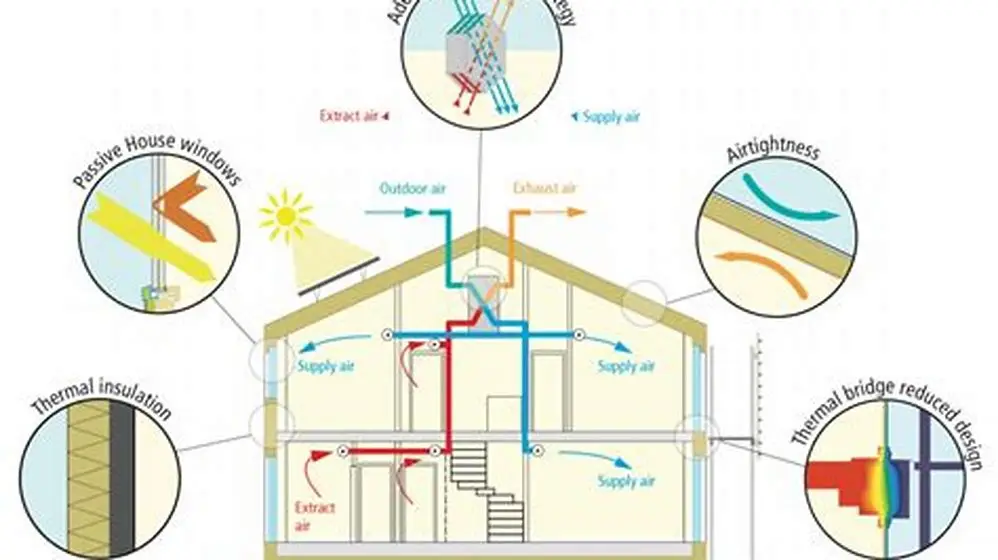
Check MVHR fit for a 1930s semi with single-pane windows, focusing on effectiveness, compatibility, and necessary retrofit adjustments.
MVHR can work in a 1930s semi with single-pane windows, but its efficiency drops due to leaks and poor insulation. You must size it carefully and consider humidity control to avoid moisture issues and oversizing.
On this page
- The short version
- How single-pane windows affect MVHR effectiveness
- Compatibility issues of MVHR in older homes
- Modifications or settings needed for MVHR retrofit
- When MVHR helps and when it damages in leaky single-pane homes
- Balancing extraction versus heat recovery in retrofit plans
- MVHR for 1930s semi with single-pane windows what to check for fit
- Questions people still ask
Part of our guide on staged home retrofit
Assess how MVHR fits a 1930s semi with single-pane windows and what adjustments it needs for effective retrofit.
| Typical MVHR efficiency | 50-70% heat recovery |
|---|---|
| Single-pane window U-value | 5.0-6.0 W/m²K |
| MVHR airflow rate | 50-100 L/s typical |
| Airtightness target | 5-10 m³/h/m² @ 50 Pa |
| Humidity control level | 40-60% RH optimal |
The short version
- Single-pane windows reduce MVHR heat recovery efficiency significantly
- Older homes often need airtightness upgrades before MVHR installation
- Balancing extraction and heat recovery prevents moisture buildup
- Oversized MVHR units cause drafts and energy waste
- Staged retrofit spreads costs, disruption, and improves results
How single-pane windows affect MVHR effectiveness
Single-pane windows in a 1930s semi typically have a U-value around 5.0 to 6.0 W/m²K, meaning they leak a lot of heat. This worsens the overall fabric performance and limits MVHR’s ability to recover heat efficiently.
MVHR systems usually recover 50-70% of heat from extracted air. But heat lost through single panes reduces the net savings. The unit has to work harder to maintain comfort, pushing up energy use.
Leaky windows also cause uncontrolled ventilation. This means the MVHR airflow becomes less significant compared to natural air infiltration, reducing its impact on indoor air quality and temperature control.
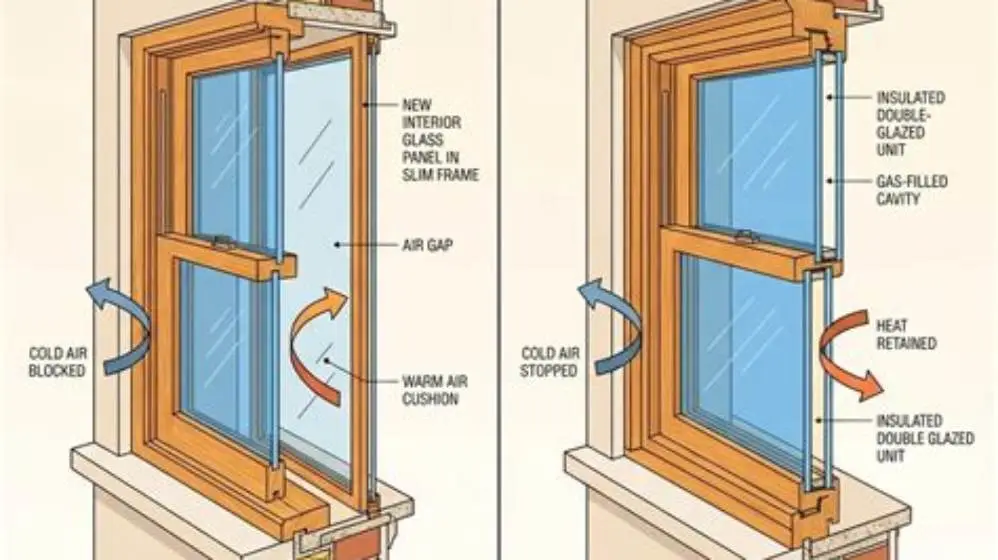
Humidity control is affected as well. Single panes can cause cold spots, resulting in surface condensation. MVHR needs to maintain balanced extraction and supply to prevent excess moisture buildup. The other half of this decision is period home secondary vs double glazing.
You should test window airtightness and overall fabric performance before proceeding. A blower door test can measure air changes per hour (ACH). Aim for below 10 ACH at 50 pascals for MVHR to be worthwhile.
Compatibility issues of MVHR in older homes
Older 1930s homes often lack airtightness, which is crucial for MVHR performance. Excess leaks bypass the ventilation system, reducing heat recovery and energy savings.
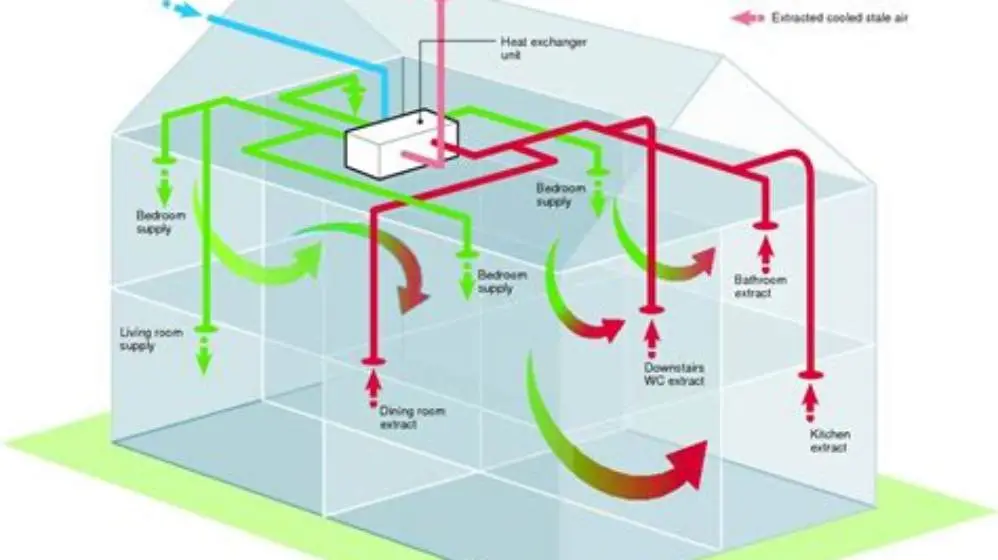
MVHR requires a balanced ventilation network. Existing ducting in older homes may be absent or unsuitable. Retrofitting ducts into solid walls or suspended ceilings involves disruption and cost. There is more on ventilating homes efficiently in a separate guide.
Extract air from wet rooms only, such as kitchens and bathrooms, to prevent excess heat loss. Supply fresh air in living rooms and bedrooms to maintain comfort.
Electrical supply and space constraints can challenge MVHR installation. Most units need 230V with dedicated circuit breakers and space for filters and heat exchangers.
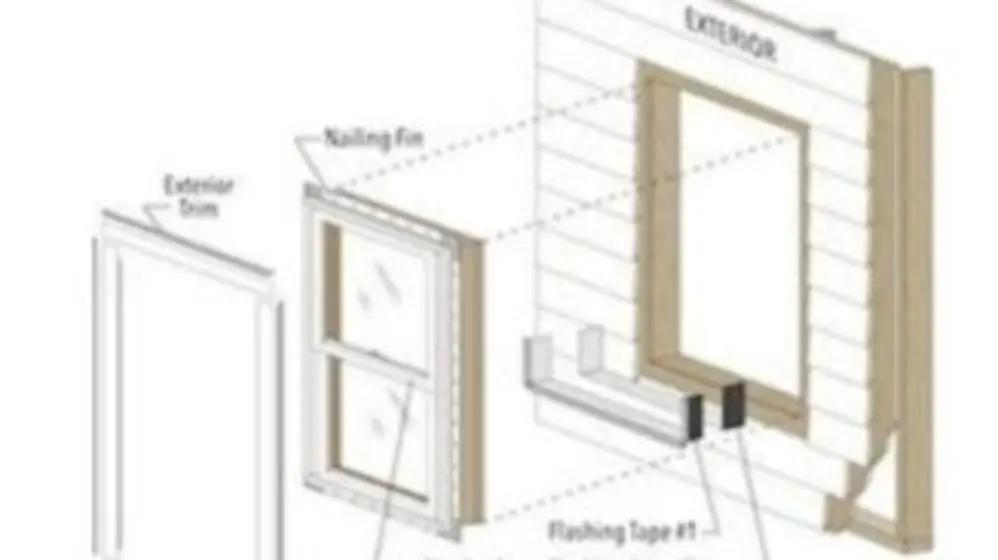
Check building regulations compliance, especially Part F and L in England, for ventilation and energy efficiency standards when retrofitting MVHR. People in this spot often ask about retrofit window installation as well.
Older homes often have hidden leaks around window frames and doors that worsen MVHR performance. These leaks can cause air to bypass the system, reducing heat recovery below the typical 50-70%. The MVHR unit then uses more electricity to compensate, offsetting any energy savings.
In many 1930s semis, ceiling heights and room layouts limit duct routing options. Running ducts through narrow joist spaces or solid walls can require invasive work. This adds cost and risks damaging original features, so plan routes carefully before installation.
Noise transfer is a common issue. Older homes with wooden floors or single glazing pass sound easily. MVHR fans and ducts must be insulated or fitted with silencers to prevent disturbing background noise, especially in bedrooms and living rooms. We go through avoiding retrofit rework step by step elsewhere on the site.

Minneapolis Blower Doors DUCT-KIT-001 Duct Blaster® System (with DG-1000)
Measures air flow from 10 to 1,500 CFM to test airtightness at 50 pascals for your 1930s semi with single-pane windows.
Modifications or settings needed for MVHR retrofit
Adjust flow rates to match the home’s actual ventilation need. In leaky homes, a lower MVHR rate prevents excessive depressurisation and drafts.
Include humidity sensors and boost controls. These activate higher extraction when moisture rises, crucial to avoid condensation on single-pane windows.
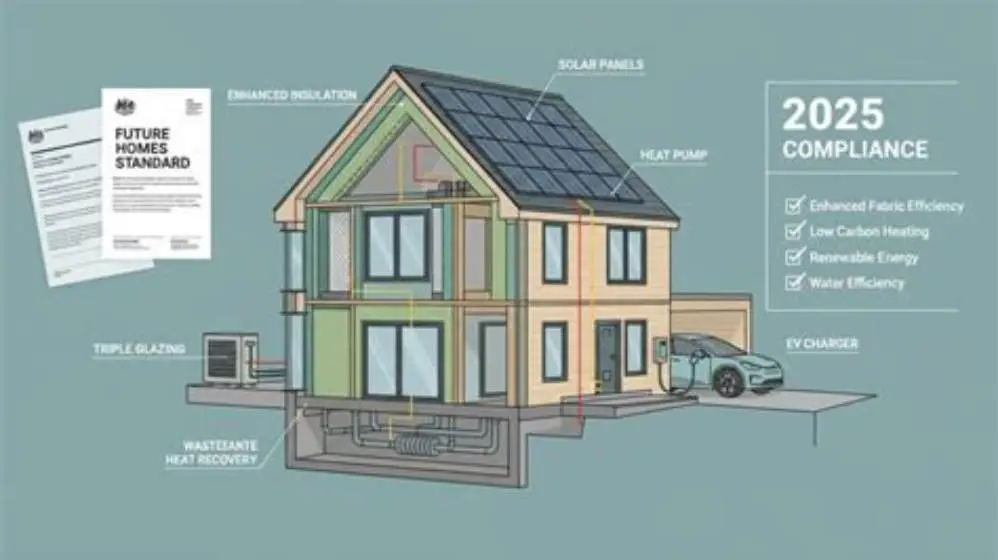
Use filters rated at least G4 or higher to remove dust, especially in older homes with more dirt ingress. Before you commit to anything, it is worth looking at costs under future homes standard.
Consider commissioning the unit after installation to set balanced airflow. An unbalanced system wastes energy and worsens indoor air quality.
Seal and insulate ductwork properly to avoid thermal losses and noise.
Supplement MVHR with window or wall insulation upgrades where possible to improve overall performance.
A common modification is installing humidity sensors in bathrooms and kitchens. These sensors boost extraction when moisture is high, preventing condensation on cold single panes. Without them, the MVHR may run at a constant low rate that fails to control humidity spikes.
Some systems allow seasonal bypass settings. In summer months, the heat exchanger can be bypassed to supply fresh air without warming it. This feature prevents overheating in warmer weather and reduces fan energy use.
You may need to add airtightness measures around window and door frames to reduce drafts before MVHR installation. Simple weatherstripping or secondary glazing upgrades complement MVHR by improving overall fabric performance, making heat recovery more effective.
When MVHR helps and when it damages in leaky single-pane homes
MVHR helps by continuously extracting moist indoor air and supplying filtered, preheated fresh air. This improves comfort and indoor air quality.
However, if the home’s fabric is very leaky with single-pane windows, uncontrolled air infiltration reduces MVHR’s effectiveness and can cause cold drafts.
Oversizing the MVHR unit causes excessive airflow, increasing heat loss and making rooms feel draughty. Undersizing leads to poor ventilation and moisture problems.
If humidity is not managed, MVHR can worsen condensation on cold single-pane windows by lowering indoor air temperature near them.
Better airtightness and secondary glazing can improve MVHR benefits. Without these, rely on extract fans with heat recovery capabilities rather than full MVHR.
If the MVHR unit is oversized for a leaky 1930s semi, the increased air volume can cause negative pressure indoors. This pulls cold air through cracks and gaps, creating drafts especially near single-pane windows. The occupants feel colder, defeating the unit's purpose.
An undersized MVHR unit struggles to remove enough moisture in kitchens and bathrooms. This leaves high humidity levels that cause mold growth on walls and window frames. Signs include black spots near window sills and musty odors.
You can check MVHR effectiveness by measuring indoor humidity and temperature at multiple points. If humidity stays above 60% or surfaces remain cold and damp, the system needs adjustment or the fabric needs improving.
Balancing extraction versus heat recovery in retrofit plans
Plan extraction rates to remove moisture and pollutants without excessive heat loss. Typical MVHR flows for a 1930s semi range 50-100 litres per second, depending on house size.
Heat recovery efficiency depends on airflow balance. Unequal supply and extract volumes reduce heat exchange performance.
Include staged retrofit steps: first improve airtightness, then install MVHR. This spreads cost and disruption while boosting performance.
Adapt MVHR speed settings seasonally to match heating demand and outdoor conditions. Lower speeds in summer reduce noise and energy use.
Use continuous commissioning to tune balancing dampers and fans. This maintains designed airflow and maximises heat recovery over time.
| Retrofit Stage | Airflow Rate (L/s) | Heat Recovery Efficiency (%) | Comfort Impact |
|---|---|---|---|
| No Airtightness Upgrade | 80-100 | 30-50 | Possible drafts, low heat savings |
| Moderate Airtightness Upgrade | 60-80 | 50-65 | Better comfort, moderate savings |
| Good Airtightness Upgrade | 50-70 | 65-75 | High comfort, good savings |
MVHR for 1930s semi with single-pane windows what to check for fit
Check the home's airtightness level first; a blower door test is the best way. Target below 10 m³/h/m² at 50 Pa to make MVHR worthwhile.
Inspect existing ventilation and duct routes. Confirm space for ducting and the unit, plus access for maintenance.
Test humidity levels in wet rooms and living spaces. High humidity means MVHR needs humidity control settings.
Measure single-pane window areas and their U-values. Large single-pane areas lower expected heat recovery benefits.
Calculate the house volume and decide MVHR airflow rates accordingly, avoiding oversizing. Use professional advice if unsure.
Prepare for possible staged retrofit: improve airtightness and insulation first, then add MVHR with proper commissioning.
Measure window surface areas facing prevailing winds. Large single-pane windows exposed to wind cause more uncontrolled air leaks, reducing MVHR efficiency further. Wind-driven infiltration can triple air changes per hour compared to calm conditions.
Check space around the unit for filter changes and annual servicing. Confined spaces can make maintenance difficult, leading to clogged filters and reduced airflow. Poor maintenance cuts heat recovery and indoor air quality.
Test electrical supply capacity before installation. MVHR units typically draw 30 to 100 watts, but older homes may need upgrades to circuit breakers or wiring. Insufficient power causes unreliable operation or hazards.
- Perform airtightness blower door test.
- Survey existing ductwork space and electrical supply.
- Measure indoor humidity in key rooms.
- Calculate airflow needs based on house volume.
- Install and commission MVHR with humidity controls.
MVHR can suit 1930s single-pane homes if airtightness is improved and humidity controlled; otherwise, gains are limited.
Questions people still ask
Can MVHR improve EPC rating in a 1930s semi with single-pane windows?
MVHR can help but only if the home's airtightness is improved first. Single-pane windows limit heat recovery, so EPC gains may be modest without insulation upgrades.
Is it better to use extract fans instead of MVHR in leaky old homes?
Extract fans are simpler and less costly. They remove moisture but do not recover heat. MVHR is better once airtightness improves enough to make heat recovery effective.
How often should MVHR filters be changed in older homes?
Replace G4 filters every 3-6 months, depending on dirt levels. Older homes with more dust or smoke may require more frequent changes.
Will MVHR cause drafts in a 1930s semi with single-pane windows?
Oversized or unbalanced MVHR units can cause drafts. Proper sizing and commissioning prevent this issue.
Can I install MVHR myself in a 1930s house?
DIY is possible but challenging. Professional design ensures correct sizing, duct routes, and commissioning for best results.