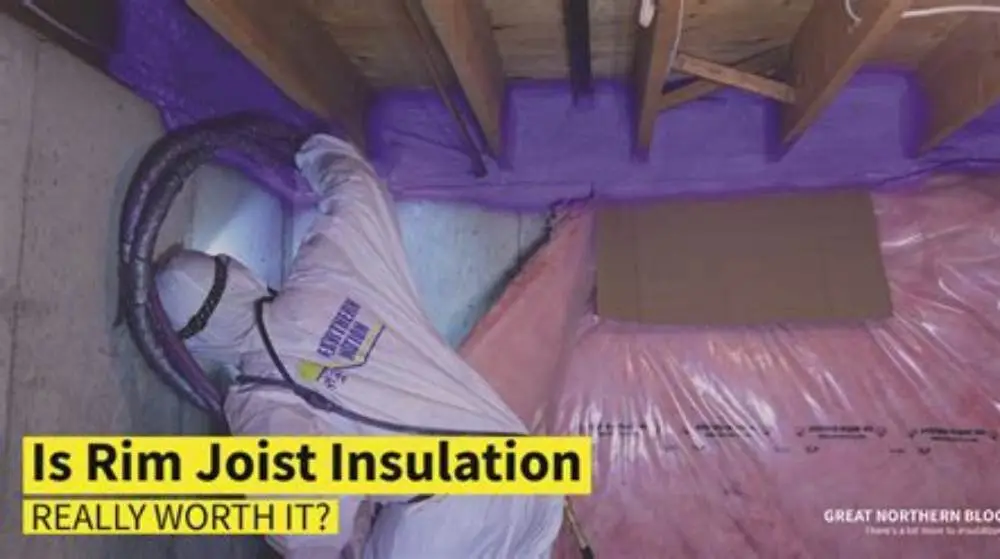
Typical UK rim joist insulation costs for basements range from £15 to £35 per linear metre installed, depending on material and access complexity. This investment cuts drafts and heat loss, improving warmth and reducing energy bills.
On this page
- Quick recap
- Typical UK costs for basement rim joist insulation
- Key factors influencing those costs
- How important rim joist insulation is for basement energy efficiency and comfort
- What materials work best for rim joist insulation in UK basements
- Should you insulate basement rim joists yourself or hire a contractor
- Rim joist insulation cost for basement: how to plan and budget effectively
- Quick questions
Part of our guide on how to insulate a suspended timber floor
Quick facts
- Typical cost
- £15-£35/m
- Material options
- Foam, mineral wool
- R-value range
- 2-3.5
m²·K/W - Heat loss via rim joist
- 15-25%
- DIY cost cut
- Up to 50%
- Recommended thickness
- 50-100 mm
- Installation time
- 1-2 days
Quick recap
- Typical cost: £15-£35 per linear metre installed
- Material choice and site access majorly affect price
- Rim joist insulation reduces drafts, lowers bills, and boosts comfort
- DIY can save money but needs careful air sealing
- Qualified contractor ensures correct airtightness and meets regulations
Typical UK costs for basement rim joist insulation
Expect to pay between £15 and £35 per linear metre for professional rim joist insulation installation in UK basements. The precise figure depends on your choice of material, basement access difficulty, and the insulation thickness required.
Spray foam tends toward the higher end, while rigid foam boards and mineral wool fall in the mid to lower range. Labour is roughly half to two-thirds of total cost. A simple, straight run with easy access costs closer to £15/m, while awkward corners or finished spaces push it above £30/m.
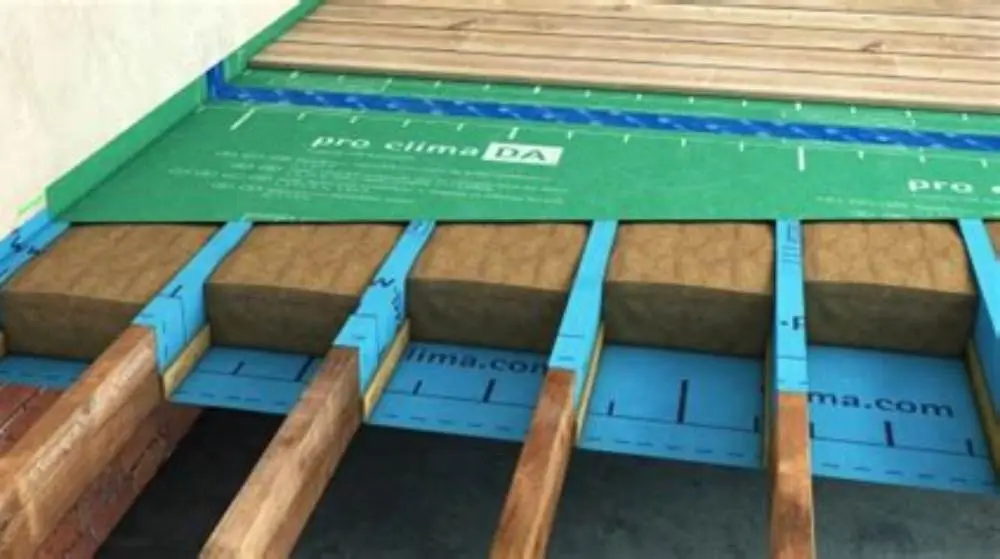
Most UK basements require at least 50-100 mm thickness to meet building regs and achieve useful thermal resistance (R-value). Adding vapour control and airtightness layers adds cost but is key to performance.
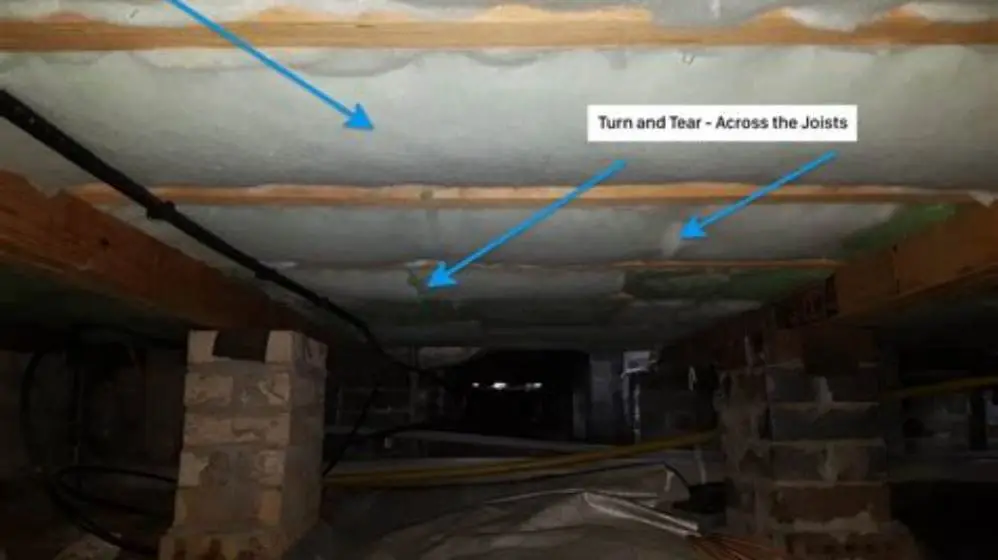
If you tackle rim joist insulation yourself, you can halve the cost but must get airtightness right to avoid damp damage. Materials alone typically cost £5-£10 per metre. We go through cutting draughts from below step by step elsewhere on the site.
Key factors influencing those costs
Material choice drives most cost variation. Closed-cell spray foam offers the best thermal performance and airtightness but costs more upfront, usually £25-£35 per linear metre installed.
Rigid foam boards such as PIR or EPS cost less, £15-£25 per metre, depending on thickness and brand. Mineral wool is cheapest but requires careful airtightness layers and moisture control.
Access is crucial. Rim joist areas in finished basements or with tight spaces increase labour time and complexity. Expect labour hourly rates of £25-£45 depending on your region and contractor. For the detail, see our notes on moisture durability of insulation.
Thickness needed to meet regulations or achieve a specific thermal resistance affects cost. Thicker insulation saves energy but adds materials and installation time.
The state of your existing rim joists also affects cost. Damaged or rotted wood needs repair before insulation, adding labour and materials. This can push total expenses beyond £40 per linear metre in some cases.
If your basement has electrical wiring or plumbing close to the rim joists, extra care is needed. Protecting these systems may increase installation time and overall cost. Expect labour to rise by about 10-20% for such scenarios. We go through how home insulation works step by step elsewhere on the site.

Minneapolis Blower Doors DUCT-KIT-001 Duct Blaster® System (with DG-1000)
Measures air flow from 10 to 1,500 CFM, covering typical air leakage rates for airtightness testing at 50 Pa.
How important rim joist insulation is for basement energy efficiency and comfort
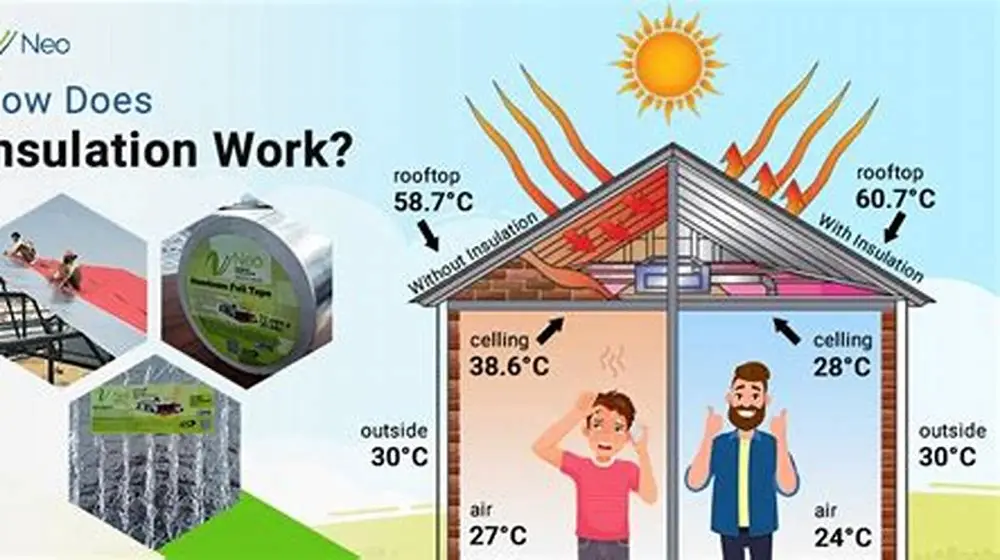
Basement rim joists typically account for 15-25% of a home's heat loss through the floor edge. Insulating this area drastically reduces drafts and cold spots.
You gain better basement air temperature stability and reduce heating costs. This area is a major cold air leak, so the right insulation and airtightness here improve comfort noticeably.
Insulating rim joists boosts overall EPC rating by improving U-value at the floor perimeter. It also helps prevent condensation and damp buildup on cold surfaces when done correctly with vapour control. For the detail, see our notes on solid wall internal vs external insulation.
Neglecting rim joists wastes energy and leaves you with uneven basement temperatures. This often causes mould or mildew smells, affecting health and property value.
What materials work best for rim joist insulation in UK basements
Closed-cell spray foam provides a high R-value, airtight seal, and vapour resistance in one step, but is the priciest option. It suits tricky or finished basements needing minimal disruption.
Rigid foam boards like PIR or XPS offer good insulation and low moisture absorption. They need taped joints and an additional airtight layer to prevent air infiltration. For the detail, see our notes on typical settling within six months.
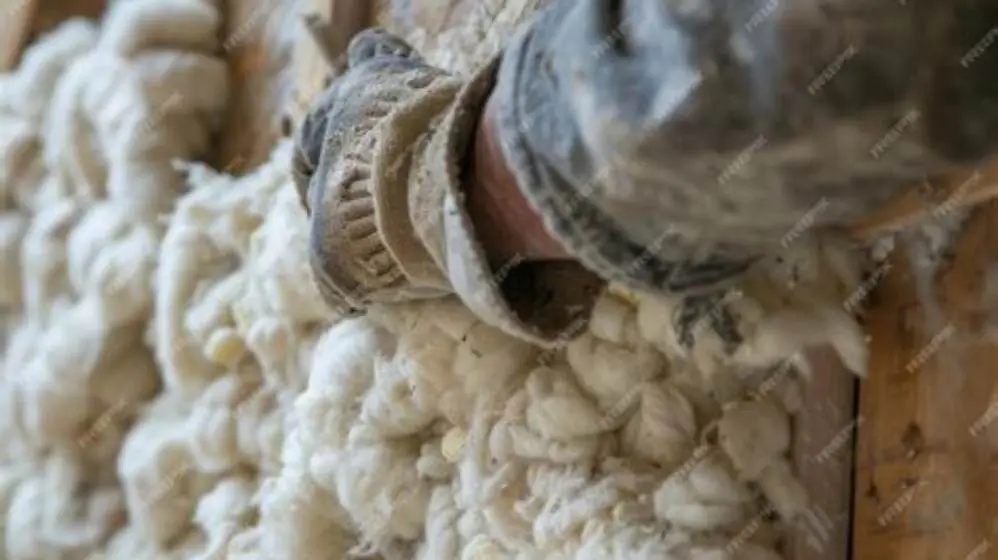
Mineral wool is affordable and breathable but requires a continuous vapour barrier on the warm side to prevent damp and heat loss.
The building regulations require insulation to have at least R-value 2.0-3.5 m²·K/W depending on your home's EPC target and location.
Closed-cell spray foam typically provides an R-value around 6.0 to 6.5 per 100 mm thickness. Rigid foam boards like PIR range from 3.5 to 5.0, while mineral wool offers about 3.0 to 3.3. Choosing materials with the highest R-value per millimetre saves space in tight basements.
Moisture management is key. Some rigid foam boards are treated to resist water absorption, which is vital in damp basements. Mineral wool, being fibrous, can hold moisture if improperly protected, risking decay and mould. Select materials compatible with your basement's moisture levels to avoid costly issues later.
| Material | Typical Installed Cost (£/m) | R-value per 100mm | Airtightness | Moisture Resistance |
|---|---|---|---|---|
| Spray foam | £25-£35 | 3.5-4.0 | Excellent | High |
| Rigid foam boards | £15-£25 | 3.0-3.5 | Good with sealing | Moderate |
| Mineral wool | £10-£20 | 2.5-3.0 | Poor without barrier | Low |
Should you insulate basement rim joists yourself or hire a contractor
DIY rim joist insulation cut materials costs but risks poor airtightness and vapour control, which cause damp and reduce energy savings.
Professional installation ensures building regulations compliance, correct sealing, and quality guarantees. Labour is 50-70% of total cost but well justified for lasting results.
Check if your contractor includes a blower door test or thermal imaging to verify airtightness and identify cold bridges.
DIY suits those with building skills, access to quality materials like vapour barrier membranes, and ability to seal gaps meticulously.
Rim joist insulation cost for basement: how to plan and budget effectively
Measure your basement rim joist length. Multiply by your preferred material's average cost per linear metre to estimate total materials plus labour.
Factor in extra for complexity, vapour barriers, and finishing. A rough UK budget is £250-£700 for an average 10-20 metre rim joist.
Check eligibility for UK schemes like ECO4 or the Boiler Upgrade Scheme that may subsidise insulation upgrades, reducing your outlay.
Source at least three quotes from qualified installers. Ask about materials, thickness, airtightness guarantee, and project duration.
Plan for 1-2 days installation time, plus drying or curing if using spray foam.
To avoid surprises, add a 10-15% contingency to your budget for unexpected issues like hidden water damage or thicker insulation needs. For example, a £500 initial estimate should include an extra £50-£75 safety margin.
After installation, verify effectiveness by checking for cold drafts or condensation on rim joists. A thermal camera inspection can reveal heat loss spots missed during installation, helping you decide if additional sealing is necessary.
Some installers offer a post-installation inspection or warranty covering airtightness and insulation performance for 5 to 10 years. Confirm what guarantees come with your chosen contractor to protect your investment.
- Measure total basement rim joist linear metres.
- Choose insulation material and thickness based on budget and performance.
- Get multiple quotes from local installers.
- Check for grants or subsidies before committing.
- Schedule installation and prepare basement area for access.
Quick questions
Can I insulate rim joists myself safely?
DIY insulation is possible but requires airtight sealing and vapour barrier installation to prevent damp. Mistakes here lead to mould or energy loss.
What is the best material for basement rim joist insulation?
Closed-cell spray foam offers the best combination of insulation and airtightness but costs more. Rigid foam boards are a good alternative with proper sealing.
How thick should rim joist insulation be for UK basements?
Between 50 and 100 mm thickness is typical to meet thermal resistance targets and building regulations depending on your home's energy rating.
Will insulating rim joists improve my EPC rating?
Yes, it reduces heat loss through floor edges and fills a common cold spot, helping improve overall energy performance certificates.
Are there grants or schemes to help with basement rim joist insulation?
Schemes like ECO4 or Boiler Upgrade Scheme can assist if your home qualifies, especially when combined with other insulation or heating upgrades.
How long does rim joist insulation installation take?
Installation usually takes one to two days depending on basement size, material choice, and access complexity.