You must apply under G99 for solar PV systems over 3.68kW per phase in homes, with the installer usually submitting to the DNO before any export. You can install physically before approval but cannot export until permission is granted.
On this page
- Quick recap
- G98 vs G99 3.68kW threshold for single-phase homes
- Who submits the G99 (installer vs homeowner) and what the DNO needs
- Step-by-step G99 application order for a home system
- Typical DNO timeline and whether you can install before permission to energise/export
- Does G99 certification delay physical installation vs delay to commissioning and export
- UK solar PV G99 application steps for home systems
- Quick questions
Part of our guide on what happens when installing solar battery
Quick facts
- G99 threshold
- 3.68kW single-phase
- Current limit
- 16A per phase
- DNO approval time
- 15-30 working days
- Max export before approval
- 0 kW
- Installer submits
- Usually yes
- Physical install before approval
- Allowed
- Export allowed
- After approval only
Quick recap
- G99 applies above 3.68kW or 16A per phase on single-phase homes
- Installer usually submits the G99 application, not the homeowner
- DNO approval typically takes 15-30 working days after submission
- Install before permission but wait to energise and export power
- G99 approval affects commissioning timing, not physical installation
G98 vs G99 3.68kW threshold for single-phase homes
The 3.68kW threshold represents the total installed solar capacity on a single-phase connection before you must comply with G99. Below this, G98 applies, which is a more straightforward approval process.
G99 covers larger systems where the current may exceed 16 amps per phase, which triggers detailed network safety assessments by the Distribution Network Operator (DNO).
Single-phase homes with solar PV up to 3.68kW (or 16A) normally only need G98. If your system is above this, you must follow G99 rules to ensure your home’s electrical setup can handle the export safely.
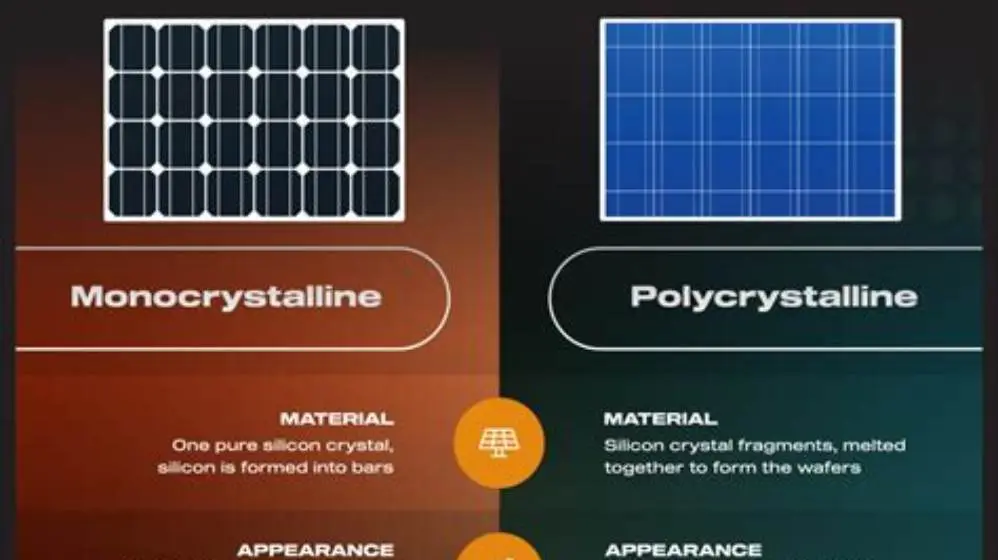
Understanding this threshold lets you decide whether your solar installer will need to submit a detailed G99 application or if the simpler G98 process suffices. For the detail, see our notes on monocrystalline vs polycrystalline on small roof.
| Requirement | G98 | G99 |
|---|---|---|
| Applicable system size | Up to 3.68kW / 16A per phase | Above 3.68kW / 16A per phase |
| Approval process | Simpler, faster | More detailed, longer |
| DNO involvement | Minimal | Full safety assessment required |
| Installation timing | Quick | Approval needed before export |
| Typical use case | Small residential | Larger residential and commercial |
Who submits the G99 (installer vs homeowner) and what the DNO needs
The installer typically submits the G99 application to the local DNO because they have the technical knowledge and access to the necessary certification and system details.
Homeowners usually do not manage this because the paperwork requires detailed electrical specifications, system design, and compliance certificates that installers provide.
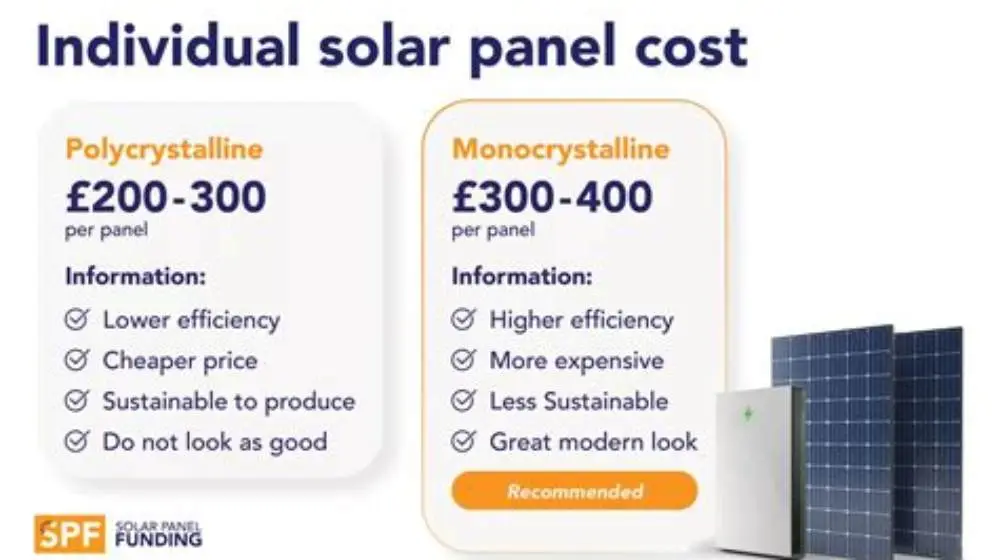
The DNO needs a completed application form, evidence of compliance to G99 technical standards, details about the inverter and connections, plus proof the system has a compliant generation meter. For the detail, see our notes on 2026 uk solar panel costs 3 bed house.
Installers provide these documents during application, which makes the process smoother and minimizes delays.
In some cases, homeowners may want to submit the G99 application themselves, but this requires a solid understanding of electrical standards and access to detailed equipment information. Mistakes or missing information can cause delays or rejections by the DNO.
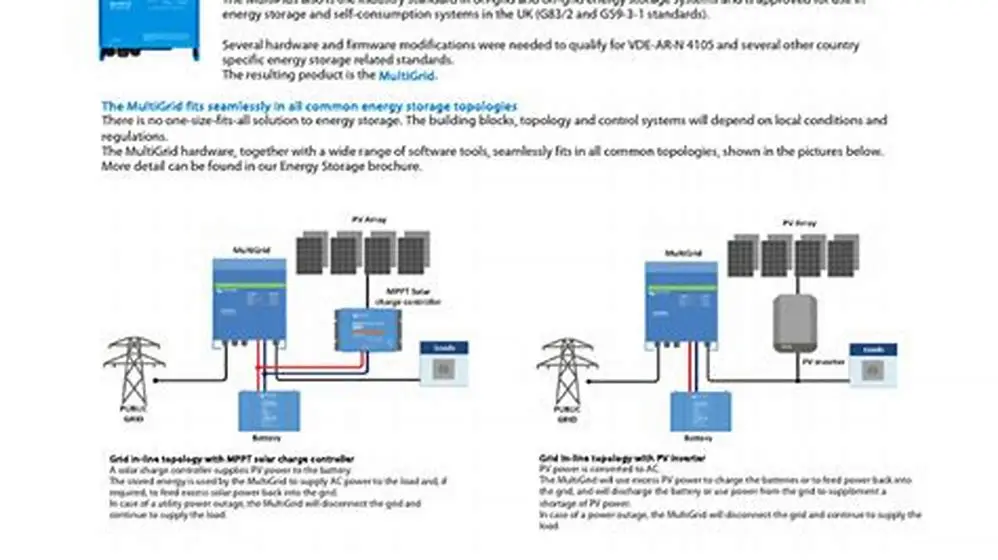
The DNO also often requests evidence of communication between the installer and homeowner to confirm consent for the connection. This helps prevent unauthorized installations and ensures all parties are aware of the export capabilities. Before you commit to anything, it is worth looking at battery backup with victron multigrid export control.
If you live in an area with multiple DNOs nearby, the installer must identify the correct one and submit the application accordingly. Using the wrong DNO can result in longer delays and additional paperwork.
- Installer files G99 application with DNO
- Includes system design, inverter specs, and compliance certificates
- DNO assesses application and confirms connection safety
- Homeowner receives notification once approved
Step-by-step G99 application order for a home system
Follow these ordered steps to apply for G99 approval correctly:
First, your installer completes the system design to comply with G99 safety standards and gathers all necessary certificates. It helps to understand smart export guarantee rates compared before going further.
Second, the installer submits the G99 application to the DNO with all technical documents and proposed connection details.
Third, wait for the DNO’s acknowledgement and technical assessment, which usually takes 15-30 working days depending on their workload.
Fourth, once approved, you can energise the system and export electricity to the grid. It helps to understand backup generator compatibility with sonnen 10kw battery before going further.
Each step must be completed before moving to the next to avoid costly rework or delays.
If your system design changes after submitting the G99 application, notify the DNO immediately as they may need to re-assess the safety and network impact. Failure to do so could lead to rejection or the need for additional modifications.
In one example, an installer submitted the application for a 4kW system but later upgraded the inverter to a higher capacity model. This required resubmitting documentation and extended approval by 10 extra working days.
Also, keep a clear timeline and checklist of all submissions and communications. This helps track the progress, manage expectations, and ensures no steps are missed before final approval.
- Complete system design and gather compliance certificates
- Installer submits the G99 application to the DNO
- DNO performs safety and connection assessment
- Receive formal approval to energise and export
- Install and commission the solar PV system accordingly
Typical DNO timeline and whether you can install before permission to energise/export
DNOs typically take between 15 and 30 working days to review and approve G99 applications once all documents are complete.
You can physically install your solar panels and equipment before receiving permission to energise from the DNO, but you cannot connect to the grid or export any electricity before approval.
This means installation work and site preparation can proceed without delay, but final commissioning must wait until the DNO signs off.
Starting installation early helps meet deadlines but exporting power without approval risks disconnection and penalties.
Some DNOs offer fast-track options for smaller systems just over the threshold, reducing approval to about 10 working days, but these are not guaranteed and depend on workload.
In contrast, complex grid areas or systems with export limits might cause the DNO to take up to 40 working days. Always check your specific DNO’s guidelines and expected timelines before planning installation.
You can install mounting frames and conduit while waiting for permission, but connecting the inverter or generation meter to the grid must wait for formal approval to avoid penalties.
Does G99 certification delay physical installation vs delay to commissioning and export
G99 certification does not usually delay physical installation because you can fit panels and equipment while waiting for DNO approval.
However, it does delay commissioning: the point when your system is switched on and starts exporting to the grid.
The delay often depends on how quickly the installer submits a complete application and the DNO’s workload.
Plan for a potential waiting period of up to a month after installation before you can export to avoid surprises.
Physical installation can sometimes face minor delays unrelated to G99 certification. For example, if the installer needs to order specific compliant equipment after the initial site survey, this can push the schedule back. Weather conditions or access constraints can also cause hold-ups during panel mounting or wiring.
After installation, commissioning involves tests that verify the system’s safety and compliance with G99. These include checking the anti-islanding function and verifying export limits. If any fault or inconsistency appears during these tests, commissioning must pause until fixes are made. This can stretch the waiting period beyond just the DNO’s approval timeline.
A quick check you can do before commissioning is to confirm all protective devices are installed correctly and that the inverter’s settings match the approved application. Your installer should provide a commissioning report or checklist. Keep this document as proof in case of future issues or warranty claims.
UK solar PV G99 application steps for home systems
When your solar PV system exceeds 3.68kW, follow this shortlist of documents and steps for the G99 application:
System design and single-line diagram showing connections and protection devices.
Inverter and generation meter details meeting G99 technical standards.
Completed G99 application form specific to your DNO’s requirements.
Proof of installer’s qualification and certification for the installation.
Submit all documents via your installer to the DNO and track progress until approval.
Keep copies of all documentation for future inspections or warranty claims.
In addition to the paperwork, your installer will usually perform pre-connection testing to ensure your system meets voltage and frequency requirements according to G99.
Tests include anti-islanding protection to ensure your system stops exporting during a power cut, protecting utility workers and equipment.
After submission, some DNOs require a site visit or additional information requests. Quick responses from your installer speed up approval. Keep your contact details current with the DNO to avoid missed communications.
The G99 application form differs slightly between DNOs, so your installer must use the right version. Some DNOs have online portals, while others require emailed or postal submissions. Confirming the correct submission method avoids delays caused by rejected forms.
Generation meters must be compatible with your DNO’s reading systems and G99 standards. Mismatch in meter type or communication protocols can lead to the DNO requesting meter replacement before approval. This adds time and cost, so check meter details early in the design process.
If your home system includes battery storage or hybrid inverters, additional G99 requirements apply. These devices must have controls to prevent unintended export during outages and meet stricter safety rules. Your installer must include detailed information about these components in the G99 application, which can lengthen assessment time.
- Complete system design compliant with G99
- Obtain inverter and meter compliance certificates
- Fill in DNO-specific G99 application form
- Installer submits application and supports queries
- Await DNO approval before commissioning and exporting
Quick questions
What is the difference between G98 and G99 for home solar systems?
G98 applies to solar PV systems up to 3.68kW or 16A per phase on single-phase homes and has a simpler approval process. G99 applies to systems above this threshold and requires detailed DNO safety assessment.
Can I install solar panels before getting G99 approval?
Yes, physical installation can proceed, but you cannot connect to the grid or export electricity before receiving formal DNO permission under G99.
Who usually submits the G99 application, and what documents are needed?
The installer usually submits the G99 application, providing system design, inverter and meter certifications, and compliance forms to the DNO.
How long does the DNO take to approve a G99 application for home solar?
DNO approval typically takes between 15 and 30 working days, depending on document completeness and workload.
Does getting G99 approval delay my home solar system installation?
G99 approval delays commissioning and export permission but usually does not delay physical installation of panels and equipment.