Net metering in solar means your exported electricity creates credits that offset your consumption on your UK bill at a one-to-one rate, reducing what you pay. This contrasts with net billing, where exports get lower credit rates.
On this page
- Quick recap
- What net metering means in solar energy
- How net metering credits are calculated
- How net metering affects your electricity bill in the UK
- Difference between net metering and net billing or gross metering
- How to check if net metering is right for your home
- What equipment do you need for net metering in the UK?
- Quick questions
Part of our guide on blackout use with solar battery
Quick facts
- Credit rate
- 1:1 for net metering
- Export credit
- equal to import kWh
- Typical export payment
- net billing lower
- Metering type
- smart meter required
- UK scheme
- Export Guarantee
Quick recap
- Net metering credits reduce your electricity bill by offsetting consumption 1-to-1
- Credits are calculated by exported kWh matched against imported kWh
- Net billing pays less for exports, lowering savings compared to net metering
- Gross metering pays for all generated electricity, regardless of usage timing
- Check your tariff to understand how exported credits apply to your bill
What net metering means in solar energy
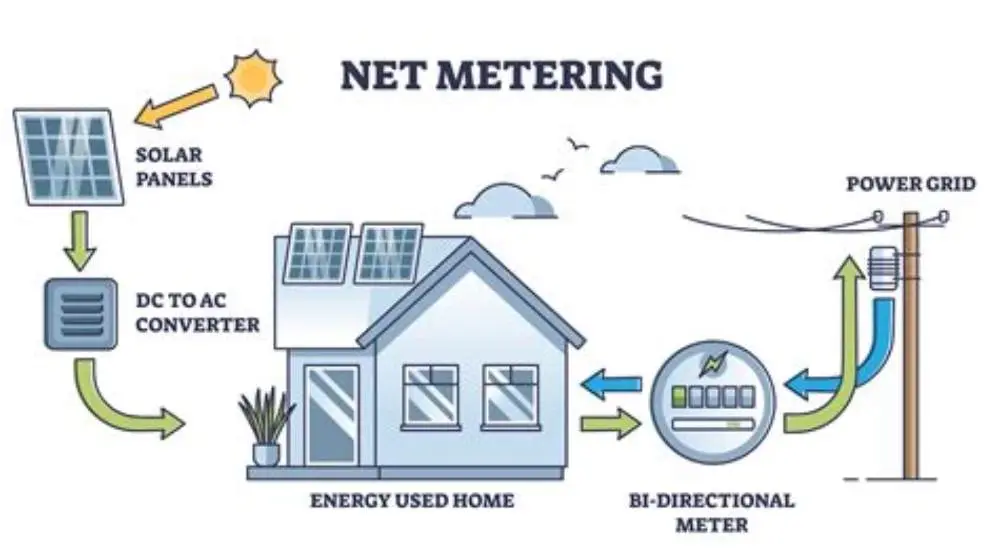
Net metering lets you offset your electricity use with the solar power you export to the grid. For every 1 kilowatt-hour (kWh) you send out, you get a credit against 1 kWh you consume later.
True net metering is rare in the UK. Most households receive payments for exported power through other schemes like export tariffs, not direct 1:1 credits.
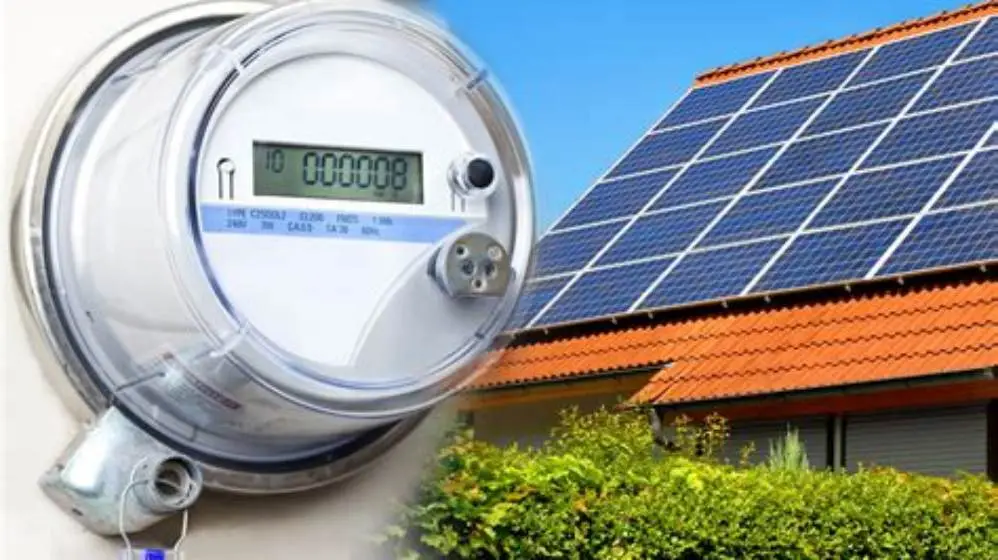
These export payments require a smart meter that measures electricity flows in both directions. Without such a meter, you cannot get accurate export credits.
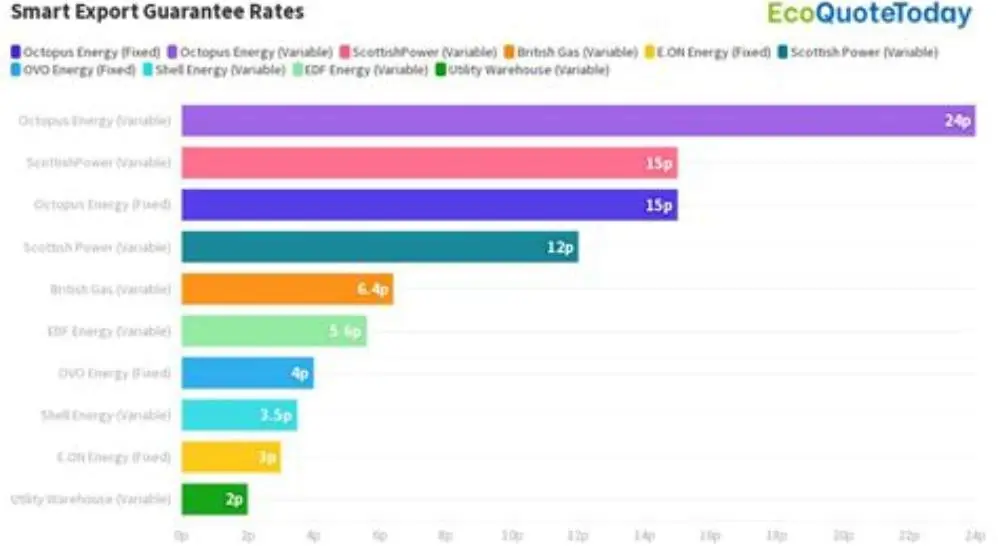
In the UK, export tariffs vary widely by supplier and contract. For example, some pay around 5p to 7p per kWh exported, but these rates change and are not fixed. For the detail, see our notes on solar generation meter.
Net metering is more common in countries like the US, where many states offer full 1:1 credit at the retail rate. The UK market mainly uses net billing or feed-in tariffs instead.
Net metering works best if your solar system size matches your household consumption. If your system produces far more power than you use, credits may accumulate with limited short-term benefit.
Some UK suppliers limit how long you can carry unused credits, often to one year. If you don’t use your credits before then, they may expire, so track your energy use closely. If that sounds like your situation, read up on smart export guarantee rates compared next.
How net metering credits are calculated
Credits for net metering are calculated by subtracting your imported electricity from the electricity you export over a billing period, usually a month.
If you export 300 kWh and import 250 kWh in the month, your net usage is -50 kWh, meaning you get a credit for 50 kWh, which reduces your bill.
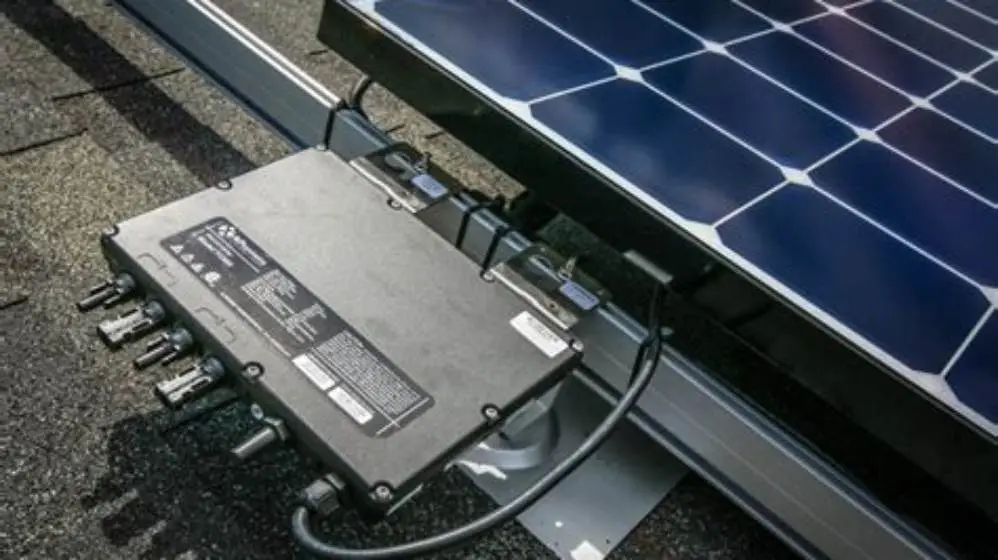
The electricity supplier values the credit at the same rate they charge you for consumption, effectively giving a 1:1 offset. We cover what are microinverters in solar panels in its own article.
The final amount depends on your export quantity, your import quantity, and your tariff rate per kWh.
Net metering calculations can vary with your tariff structure. If you have a time-of-use tariff, credits might apply differently depending on when you export and import power.
For example, exporting 100 kWh during peak times may earn credits at a higher rate than off-peak exports. Conversely, importing power during peak hours costs more, so matching export and import times can improve savings. The other half of this decision is thresholds for home solar applications.
Keep detailed records or use your supplier’s app to track when you export and import energy. Suppose you exported 400 kWh at 15p/kWh and imported 350 kWh at 15p/kWh over the month. Your net credit is 50 kWh, worth £7.50 credit.
How net metering affects your electricity bill in the UK
Net metering can reduce your electricity bill by offsetting the power you buy with your solar exports. You pay only for the net electricity you consume.
Most UK consumers don’t get true net metering. Instead, they receive export payments, which usually pay less than the retail price for electricity. We go through tile vs panel roofing effects step by step elsewhere on the site.
Export credit rates vary among suppliers, typically from 3p to 10p per kWh. These rates depend on your contract and can change over time.
Net metering at a 1:1 rate, such as 15p per kWh, offers more savings than export tariffs paying less than retail price. However, this rate is an example, not a standard in the UK.
If your home uses electricity mainly in the evening, net metering helps by banking daytime solar exports as credits. These credits reduce your evening grid costs at the full retail rate.
Check your bill to see if unused credits carry forward or if your supplier pays cash for surplus exports. This affects your savings, especially during low solar output months.
Install a smart meter to track imports and exports accurately. This enables you to receive export payments or credits based on your contract terms.
Difference between net metering and net billing or gross metering
Net metering credits your exported electricity at the same rate you pay for imported power, effectively offsetting consumption 1-to-1.
Net billing credits exports at a lower price, usually the wholesale rate or less, reducing savings compared to net metering.
Gross metering pays for all solar generation separately, regardless of your consumption, at a fixed export tariff set by your supplier or government.
In the UK, net metering is not universally available and is often replaced by net billing or feed-in tariffs, depending on supplier and scheme.
Know your supplier’s policy since the benefits differ significantly across these systems.
| Scheme | Export Credit Rate | Payment Basis | Typical Benefit |
|---|---|---|---|
| Net Metering | Equal to import rate | Offset consumption | Maximises bill savings |
| Net Billing | Lower than import rate | Payment for exports | Reduced solar savings |
| Gross Metering | Fixed export tariff | Payment for all generation | Income from total output |
- Maximises self-consumption savings
- Simple to understand credit
- Reduces overall electricity bills
- Requires smart meter
- Not always offered by suppliers
- May limit export income
How to check if net metering is right for your home
Check if your electricity supplier offers net metering or a similar export credit scheme. Call them or review their tariff details.
Ensure you have a smart meter installed that records export and import separately. If not, request one: most UK homes can get a free upgrade.
Calculate your typical solar export versus import to estimate potential savings. More solar export during daytime and evening usage means better benefits.
Compare tariffs to see how much you get paid for export versus how much you pay for import. Choose the supplier offering the best credit scheme.
Homes with storage batteries might find net metering less critical. Batteries store excess solar power onsite, reducing exports and allowing you to use your solar energy directly during peak times.
Suppose your home exports 200 kWh monthly but your battery stores 150 kWh for later use. Your net export falls to 50 kWh, so credit value reduces, but overall savings can increase by using stored power instead of grid electricity.
Evaluate your typical solar generation and consumption patterns across seasons. Higher daytime consumption or battery storage means fewer exports and less reliance on net metering credits. Run sample monthly calculations to compare scenarios.
- Contact your electricity supplier to confirm export credit type.
- Check your electricity meter type and request a smart meter if needed.
- Review past electricity usage versus solar generation data.
- Calculate potential savings using import and export rates.
What equipment do you need for net metering in the UK?
You need a smart meter capable of measuring exported and imported electricity separately. The meter must be certified for bi-directional measurement.
Your solar inverter must comply with UK grid requirements and communicate with the smart meter for accurate export recording.
An export limiting device may be necessary if your system is large or if your supplier requires export caps.
Using a power monitor or smart energy app helps you track export and import in real time, so you can optimise your solar usage.
Smart meters used for net metering must be certified under the UK’s MID (Measuring Instruments Directive) or equivalent standards to ensure accurate two-way measurement.
Your solar inverter should have anti-islanding protection and communication capabilities to synchronize with the grid and smart meter. Older inverters might need upgrading.
Some suppliers require export limiting devices if your system exceeds 10 kW to cap grid exports. This prevents grid overload and avoids penalties on your bill. Check your system size and supplier rules to avoid surprises.
Quick questions
Can any UK home use net metering for their solar panels?
Not all UK homes can use net metering. It requires a smart meter that measures exports separately, and your supplier must offer a tariff with net metering credits.
Is net metering the best way to save money with solar panels?
Net metering usually offers the best saving by offsetting electricity consumption 1-to-1. However, if your supplier uses net billing or feed-in tariffs, savings may be lower.
Does net metering pay me cash for excess solar power I export?
With net metering, excess export reduces your bill rather than paying cash. If you export more than you use, some suppliers may pay for the surplus, but this varies.
What is the difference between a smart meter and a traditional meter for solar exports?
Smart meters record electricity import and export separately in near real-time, enabling accurate net metering credits. Traditional meters usually only measure total consumption.
Can I switch suppliers to get better net metering credits?
Yes, switching suppliers can affect your export credit rates. Check tariffs carefully as some suppliers offer better export payments or net metering schemes.