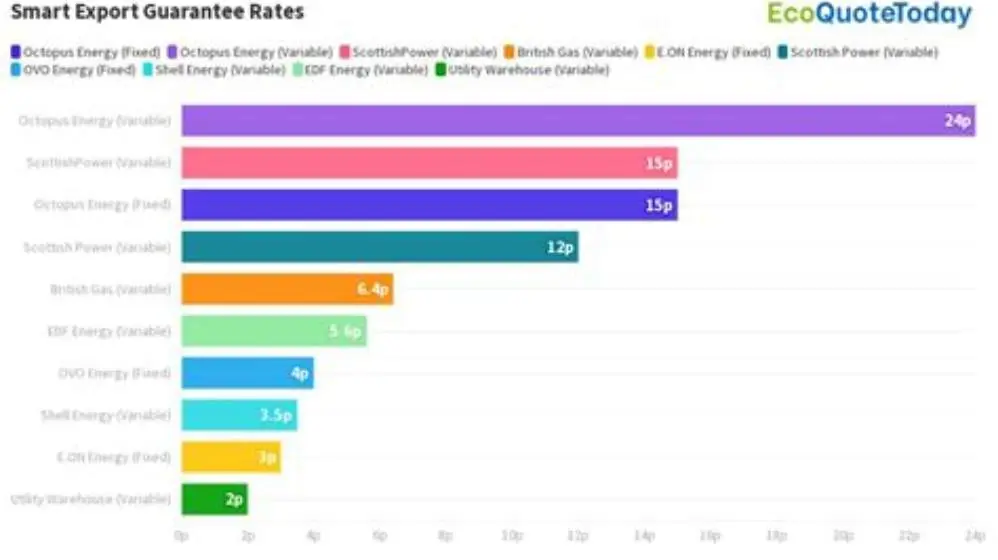
Smart Export Guarantee rates vary widely, typically from 1.5p to 10p per kilowatt-hour exported, depending on supplier, tariff type, and whether you're residential or commercial. Comparing providers and tariffs is essential to get the most from your solar export income.
On this page
- Quick recap
- What is the Smart Export Guarantee
- How does the Smart Export Guarantee work
- Business versus residential SEG tariffs
- How to apply for the Smart Export Guarantee
- Current rate comparisons across Smart Export Guarantee providers
- Smart Export Guarantee rates compared: best tariffs for homes and businesses
- Quick questions
Part of our guide on solar battery installation process
Quick facts
- SEG rate range
- 1.5p–10p/kWh
- Payment frequency
- Monthly or quarterly
- Minimum system size
- No minimum export size
- MCS certification
- Required
- Smart meter
- Needed to apply
Quick recap
- SEG rates range from about 1.5p/kWh to 10p/kWh exported
- Business tariffs often offer higher rates but need larger export capacity
- Application for SEG requires an eligible smart meter and MCS-certified system
- Supplier tariffs vary in payment frequency and contract length
- Comparing tariffs side-by-side helps identify best returns for your setup
What is the Smart Export Guarantee
The Smart Export Guarantee (SEG) is a government-backed scheme that requires UK energy suppliers to pay small-scale renewable generators for electricity they export to the grid. It replaced the older Feed-in Tariff in 2020.
It applies to solar panels, wind turbines, and other microgeneration technologies installed at homes or businesses and certified under the Microgeneration Certification Scheme (MCS).
Payments depend on the electricity exported to the grid, which your smart meter records hourly or half-hourly. The SEG aims to provide an income stream that reflects market rates rather than fixed tariffs.
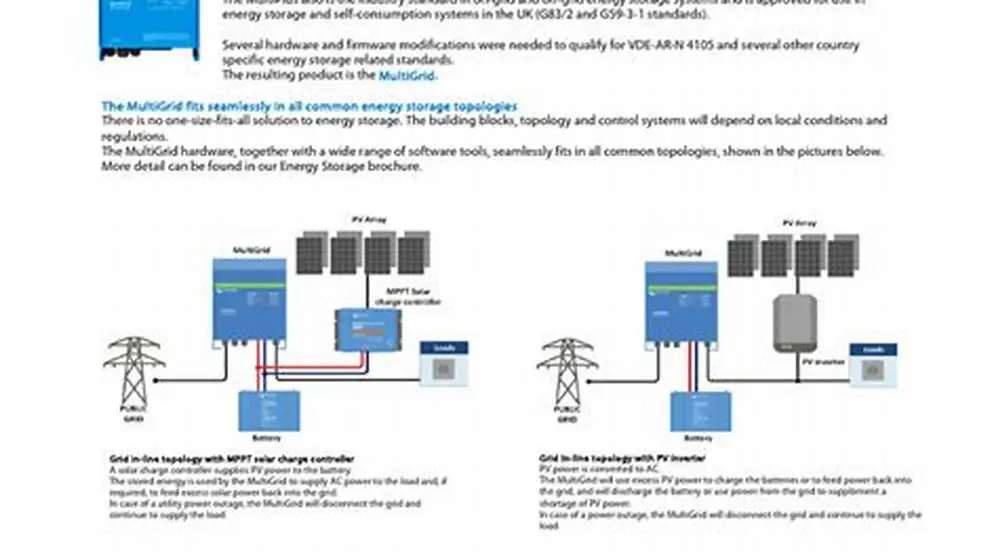
Understanding SEG enables you to calculate actual returns based on your export, helping justify solar or battery investment. We cover using victron multigrid for energy control in its own article.
Eligibility for the Smart Export Guarantee extends to renewable installations up to 5MW capacity, allowing not only typical residential solar panels but also larger commercial arrays to benefit. Systems above this size must seek alternative arrangements such as Power Purchase Agreements.
The SEG scheme excludes generators not registered with an approved network operator or those not metered correctly for export, as accurate export measurement is critical for payment calculations. This highlights the importance of having a compliant smart meter installed and configured properly.
How does the Smart Export Guarantee work
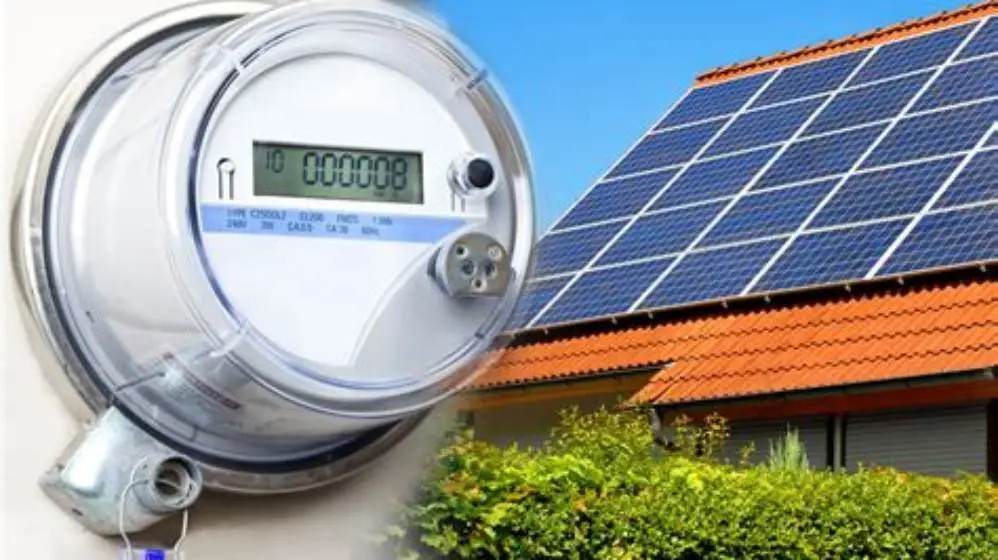
SEG works by measuring the kWh of electricity your system exports to the national grid via a smart meter. Your energy supplier pays you a rate per kWh exported, agreed in your SEG contract. It helps to understand what is a generation meter for solar panels before going further.
Export readings come from your smart meter's export register or via half-hourly data if you have advanced metering. Payments are usually monthly or quarterly but depend on supplier terms.
Your income from SEG is calculated by multiplying your export (kWh) by your tariff rate (pence per kWh). For example, exporting 200 kWh at 5p/kWh yields £10.
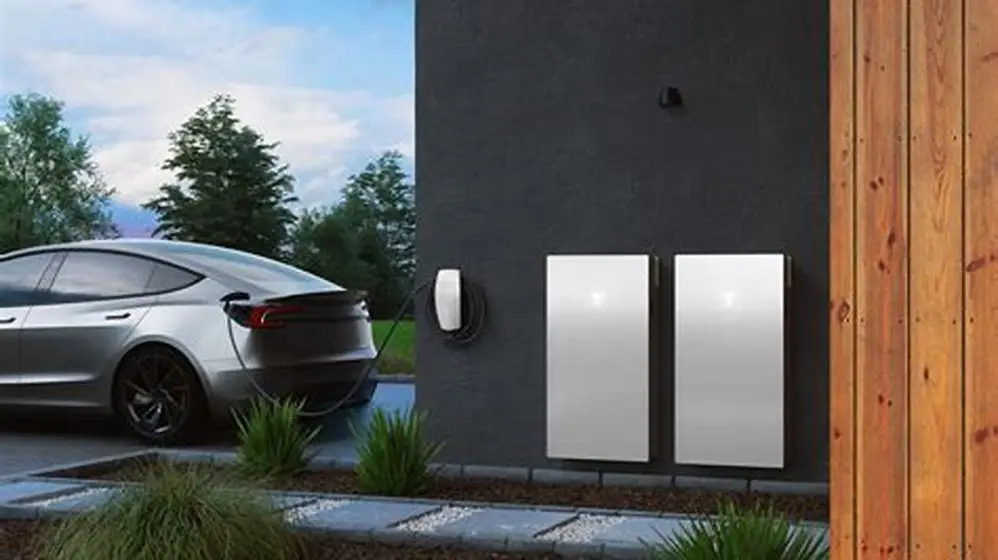
This scheme encourages exports when your system produces excess electricity beyond your own use, making your solar or battery system more financially viable. There is more on estimating years to recoup powerwall in a separate guide.
In cases where your system exports very small amounts of electricity, some suppliers may impose a minimum export threshold before payments commence, such as 50 kWh per quarter. This means exporting below this level may result in no SEG income despite exporting electricity.
Payment rates can also vary based on the time of day or season. Some tariffs offer higher rates during peak demand periods or summer months when solar generation is highest, providing an incentive to export when electricity is most valuable to the grid.
Business versus residential SEG tariffs
Business SEG tariffs often pay higher rates than residential ones, reflecting the larger scale and export capacity of commercial systems. Rates typically range from 5p/kWh to 10p/kWh for businesses, whereas residential rates often fall between 1.5p/kWh and 6p/kWh. For the detail, see our notes on solar battery size calculator.
Businesses may negotiate bespoke contracts tailored to their export profile, especially if exporting several megawatt-hours annually.
Residential tariffs tend to be fixed-rate or variable with simple contracts, while business tariffs might include conditions such as minimum export thresholds or contract durations of 1 to 5 years.
Choosing between residential and business tariffs depends on your system size and export volume. Commercial-scale arrays benefit from business tariffs but require accurate export metering and possibly aggregation services. The other half of this decision is checking microinverter compatibility with ensemble battery.
Understanding these differences helps select the right tariff and avoid underpayment or unsuitable contract terms.
For businesses with multiple generation sites, aggregation services may be available to combine export volumes and negotiate better tariffs, which is not typically an option for residential customers.
Some business tariffs include stepped rates, offering higher prices for exports above certain volume bands. For example, the first 10,000 kWh might be paid at 6p/kWh, with exports beyond that compensated at 8p/kWh, rewarding larger scale exports.
| Aspect | Residential Tariffs | Business Tariffs |
|---|---|---|
| Typical Rate Range (p/kWh) | 1.5p to 6p | 5p to 10p |
| Contract Length | Usually 1-3 years | 1-5 years, negotiable |
| Minimum Export Size | No minimum | Often larger systems >10kW |
| Payment Frequency | Monthly or quarterly | Monthly or quarterly |
| Contract Flexibility | Standardised tariffs | Negotiable terms |
- Higher returns for larger systems
- Flexible contracts for businesses
- More complex contracts
- May require export aggregation
How to apply for the Smart Export Guarantee
First, ensure your renewable installation is MCS-certified, a non-negotiable requirement for SEG eligibility.
Next, check that you have an export-capable smart meter installed, either a generation export meter or a smart meter with export functionality enabled.
Then, compare SEG tariffs from approved energy suppliers. Visit each provider’s website for their latest tariff rates, contract terms, and application processes.
To apply, you contact your chosen supplier and provide your MCS certificate and export meter details. The supplier will verify your eligibility and set up the SEG contract.
Most suppliers start payments within 30-60 days of contract activation, but contract length and payment frequency vary. Keeping export meter readings accessible helps track income.
If you do not yet have a smart meter capable of measuring export, your energy supplier or a certified meter installer can arrange installation. This process can take several weeks and may involve a site visit to ensure correct meter configuration.
After applying, always confirm with your supplier how export data will be collected and how often payments will be made, as these vary widely and impact your cashflow planning.
- Confirm your system is MCS certified
- Check you have an export-enabled smart meter installed
- Compare tariffs from multiple SEG-approved suppliers
- Apply by submitting MCS certificate and meter details to chosen supplier
- Sign contract and begin receiving payments
Current rate comparisons across Smart Export Guarantee providers
SEG rates vary widely among suppliers, with the best residential tariffs currently around 5p to 6p per kWh exported. Some suppliers offer peak-time or time-of-export premiums, pushing rates higher during daytime solar production hours.
Business tariffs command higher rates, sometimes up to 10p/kWh, but these generally require larger generation capacity and export volumes.
Contract details such as payment frequency, exit fees, and tariff reviews also differ and affect overall returns.
Comparing real tariffs side-by-side reveals some suppliers pay below 2p/kWh, making their offerings less attractive, while others actively compete with rates above 6p/kWh to attract new customers.
Using comparison tables avoids missing out on better rates and helps you understand the trade-offs in contract length and payment terms.
For example, one residential tariff currently pays 5.5p/kWh with quarterly payments and no exit fees, while another offers 6p/kWh but requires a 12-month contract. Understanding these nuances lets you weigh immediate rates against contractual flexibility.
Some suppliers offer green or renewable tariffs bundled with SEG, providing additional benefits such as discounts on electricity usage or loyalty bonuses, which can influence overall financial returns.
| Supplier | Tariff Type | Rate (p/kWh) | Payment Frequency | Contract Length |
|---|---|---|---|---|
| Supplier A | Residential Fixed | 5.5p | Quarterly | 2 years |
| Supplier B | Residential Variable | 4.0p to 6.0p | Monthly | 1 year |
| Supplier C | Business Fixed | 9.5p | Monthly | 3 years |
| Supplier D | Business Variable | 7p to 10p | Monthly | 1-5 years |
| Supplier E | Residential Fixed | 1.8p | Quarterly | 1 year |
Smart Export Guarantee rates compared: best tariffs for homes and businesses
Comparing Smart Export Guarantee rates is essential to get the most from your income from solar exports. Residential tariffs typically range between 1.5p and 6p per kWh, depending on supplier and contract type.
Business tariffs tend to offer from 5p up to 10p per kWh but require larger export capacities and sometimes more complex contracts.
The best tariff depends on your export volume, contract flexibility needs, and whether you prioritise steady income or peak-time bonuses.
To get accurate quotes, gather your system’s MCS certificate, smart meter export data, and export estimates, then approach multiple suppliers for live tariffs and contract offers.
This comparison empowers you to make an informed choice, trade off contract length against rates, and understand what payment timings suit your cashflow.
Consider also that some suppliers adjust their SEG rates annually in response to wholesale electricity market conditions, so a higher initial rate might reduce over time, affecting long-term returns.
For instance, a home exporting 300 kWh per month at 4p/kWh earns £12 monthly, but switching to a 6p/kWh tariff boosts this to £18, a 50% increase. Over a year, that difference accumulates to £72, which can significantly improve the payback period of your solar investment.
Quick questions
Can I switch SEG suppliers to get a better rate?
Yes, you can switch SEG suppliers once your current contract expires or if your supplier allows early termination. Always check contract exit terms and make sure your new supplier supports your export metering.
What happens if I don’t have an export-capable smart meter?
Without a smart meter measuring export, you cannot receive SEG payments. You must arrange installation of a compliant smart meter before applying for SEG tariffs.
Are SEG payments taxable income?
SEG payments are generally considered taxable income. You should consult HMRC guidance or an accountant to understand your tax obligations.
Does the SEG scheme cover battery storage exports?
Yes, exports from battery storage systems qualify for SEG payments if the system is MCS-certified and export metering is in place.
How often do SEG rates change?
SEG rates can change annually or more frequently depending on supplier policies and market conditions. Fixed tariffs lock in rates, while variable tariffs fluctuate.