Retrofit insulation feels cold after airsealing mainly due to residual damp walls and compressed roof insulation reducing thermal performance. Dampness keeps surfaces cold, and compression lowers insulation thickness by 10-30%, causing heat loss.
On this page
- Quick recap
- Why retrofit insulation may still feel cold after airsealing
- Symptoms and fixes for retrofit damp walls after insulation added
- Why roof insulation compresses during retrofit and is that a problem
- How to check wall and roof insulation performance after retrofit
- Planning a staged retrofit to balance cost, disruption, and savings
- Why does my retrofit insulation still feel cold after airsealing and what to do
- Quick questions
Part of our guide on cost-effective retrofit strategies
Quick facts
- Wall moisture content
- above 20% causes cold feel
- Roof insulation compression
- reduces thickness 10-30%
- Typical retrofit air-seal pressure
- 0.3-0.7 ACH
- Ideal insulation thickness loss
- less than 10%
- Thermal conductivity increase
- up to 15% if damp
Quick recap
- Damp walls absorb moisture, releasing cold to internal surfaces after retrofit.
- Roof insulation compression reduces thickness, lowering R-value by up to 30%.
- Check wall moisture content and insulation thickness to diagnose problems.
- Fix dampness first with drying and vapor control, then restore insulation thickness.
- Proper installation and staged retrofit avoid cold spots and poor performance.
Why retrofit insulation may still feel cold after airsealing
After adding insulation and airsealing, you expect walls and ceilings to feel warmer. Yet, cold surfaces persist because retrofit insulation alone doesn’t solve all thermal or moisture problems. Two major causes dominate: dampness retained in walls and compression of roof insulation reducing its effectiveness.
Damp walls typically hold moisture between 15-30% by weight after rain or rising damp. Moisture raises thermal conductivity by up to 15%, making surfaces cold to touch despite insulation. Roof insulation compressed by 10-30% during retrofit loses thickness, cutting its R-value proportionally and letting more heat escape.
Understanding these physical effects explains why sealing air leaks isn’t enough for comfort. You need to diagnose moisture levels and insulation compression to identify the limiting factor in your retrofit’s warmth.
- Damp walls: moisture content above 20% increases cold feel.
- Compressed roof insulation: thickness reduced by 10-30%.
- Increased thermal conductivity: damp insulation loses efficiency.
- Air sealing: reduces drafts but won’t warm damp cold surfaces.
Symptoms and fixes for retrofit damp walls after insulation added
Walls that remain cold and clammy after retrofit insulation usually have trapped moisture. Symptoms include peeling paint, visible mold spots, musty odors, and cold internal surfaces even when heating is on. Moisture content above 20% in wall materials signals a problem. People in this spot often ask about cold climate heat pump insulation as well.
Fixing damp walls involves first diagnosing source and extent. Use a moisture meter to check walls at multiple heights and spots. Rising damp from ground, leaks, or condensation can all contribute.
Once dampness is confirmed, drying the wall is essential. This might include improving ventilation, installing damp proof membranes or using dehumidifiers. Vapor control layers should be integrated to stop moisture migration after drying. Without resolving dampness, added insulation underperforms and the cold feel remains.
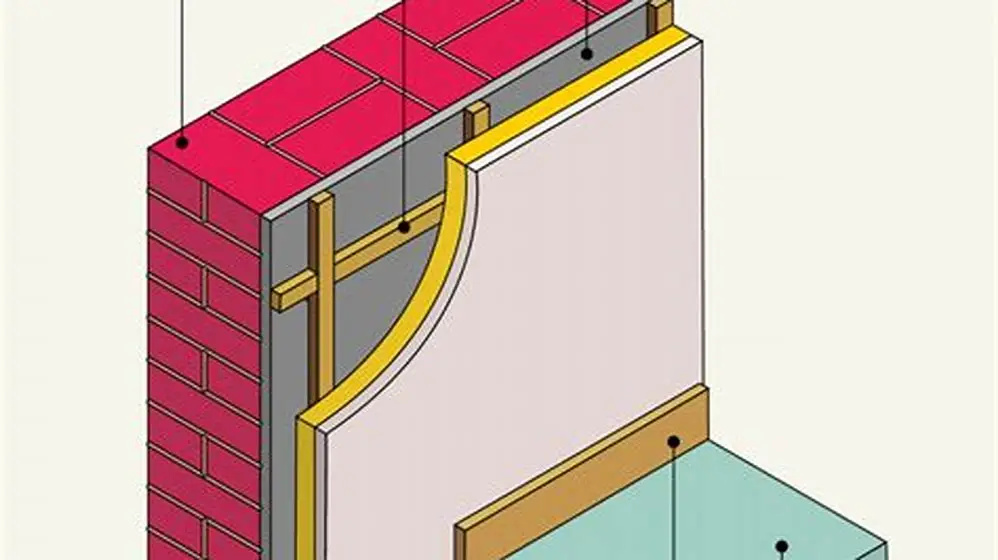
Moisture control first, then insulation restoration is the key sequence for retrofit success. You may need to remove and replace compromised insulation materials with vapor tight, breathable types. It helps to understand internal wall insulation plasterboard bubbling after external wall insulation before going further.
- Moisture meter readings above 20% show damp walls.
- Dry walls before insulating for better warmth.
- Vapor control layers prevent future moisture build-up.
- Replace wet insulation with breathable, vapor-controlled materials.
| Cause | Symptom | Diagnostic check | Fix |
|---|---|---|---|
| Rising damp | Cold, wet lower walls | Moisture meter >20% | Install damp proof course, improve drainage |
| Leaking pipes | Localized mold, wet spots | Visual inspection, moisture meter | Repair leaks, dry walls |
| Condensation | Mold patches, musty smell | Humidity data logger | Improve ventilation, add vapor barriers |
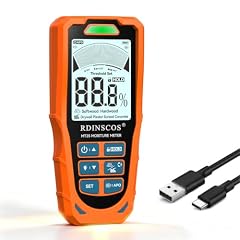
RDINSCOS Rechargeable Pinless Moisture Meter for Drywall
Detects moisture non-destructively up to 19 mm deep in drywall and building materials, helping confirm dampness causing cold surfaces after retrofit.
Why roof insulation compresses during retrofit and is that a problem
Roof insulation compression arises mostly when retrofitting lofts or attic spaces with added layers or under floorboards. Compressing insulation reduces its thickness by 10-30%, directly lowering R-value and thermal resistance. Thicker insulation provides proportionally more thermal resistance; losing thickness wastes retrofit effort.
Compression often happens when new boards or layers press down on insulation batts. Even a 10% reduction in thickness can drop insulation performance by about 10%. At 30% compression, you lose nearly one-third of your intended thermal resistance, dramatically increasing heat loss and cold roof feels.
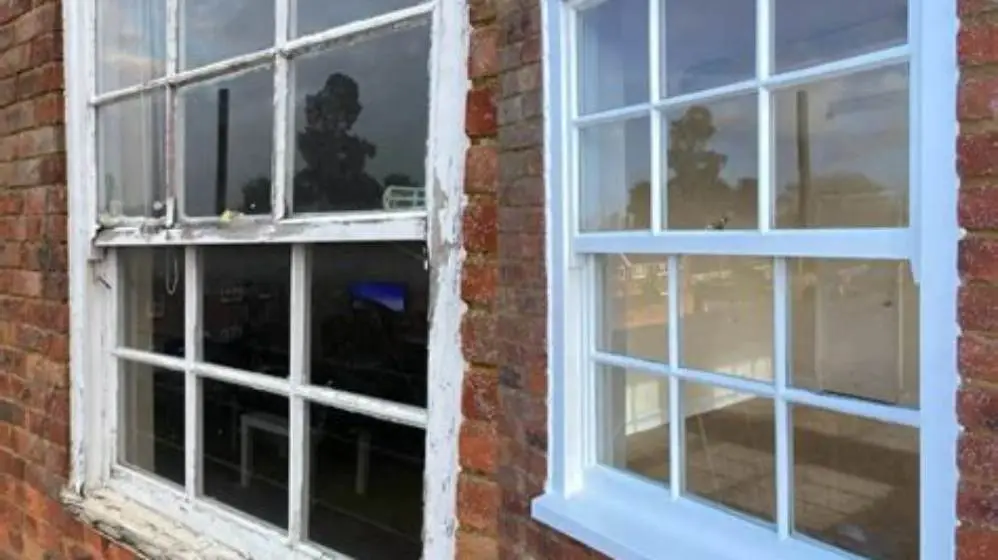
A compressed roof insulation layer feels colder because it holds less air and transfers heat faster. This effect is critical in cold climates or poorly ventilated loft spaces where heat loss through the roof dominates the heating bill. We go through will external wall insulation cause timber sash windows to rot step by step elsewhere on the site.
Avoid compression by carefully planning retrofit layering and allowing sufficient insulation thickness with no heavy loads squeezing it. If compression already happened, consider removing and replacing insulation with denser, compressible-resistant materials or adding an additional layer above.
- Roof insulation compresses 10-30% with added layers.
- Thickness reduction cuts thermal resistance proportionally.
- Compressed insulation feels colder and wastes retrofit savings.
- Plan layers and thickness to avoid compression during retrofit.
- Easy to retrofit over existing insulation
- Can reduce drafts when sealed well
- Compression lowers insulation effectiveness
- May trap moisture if poorly ventilated

Attic Measuring Rulers - Attic Insulation R-Value Ruler,Thick Card Stock,25
Extra-thick cardstock attic ruler with clear markings for measuring blown insulation thickness, aiding in assessing compression affecting insulation R-value after retrofit.
How to check wall and roof insulation performance after retrofit
Testing insulation effectiveness after retrofit helps identify why surfaces still feel cold. The main tools include a moisture meter for walls and a depth gauge or thermal imaging camera for roof insulation.
Measure wall moisture content at multiple points and heights. Values above 20% indicate dampness that compromises insulation warmth. For roofs, measure insulation thickness directly to check for compression. Compare current thickness to design specifications; losses beyond 10% are significant. For the detail, see our notes on renewable retrofit options for buildings.
Thermal imaging reveals cold spots indicating heat loss or moisture presence. A thermal camera shows temperature differences as color gradients, highlighting poorly performing insulation or damp areas.
Regular checks ensure your retrofit achieves intended savings and comfort. Identifying damp walls or compressed insulation guides corrective action before costly damage or discomfort occurs.
- Use a moisture meter on internal walls at several locations to check moisture content.
- Measure roof insulation thickness with a depth gauge to detect compression.
- Scan walls and roof with a thermal imaging camera to spot cold spots or damp areas.
- Compare moisture and thickness readings to acceptable tolerance levels.
- Plan fixes based on diagnostics before further retrofit work.
Planning a staged retrofit to balance cost, disruption, and savings
Addressing retrofit coldness requires a staged approach: first fix moisture issues, then improve insulation and air sealing. Prioritize diagnosing and drying damp walls before adding insulation, or your investment fails to deliver comfort or savings. There is more on signs of spray foam sagging in a separate guide.
Plan retrofit in phases: initial drying and damp proofing, vapor control installation, insulation upgrade with proper thickness, then air sealing and ventilation improvements. This sequence avoids trapping moisture and reduces cold spots.
Balancing disruption with savings means tackling the worst problems first, avoiding overinvestment in insulation that won’t work until dampness is resolved. Staged retrofit spreads costs and manages tenant or household disruption better.
Document your retrofit plan with moisture and insulation measurements guiding each phase. Use this evidence to avoid common retrofit mistakes like compressed insulation or sealed-in dampness, which cause cold feels despite retrofit.
- Phase 1: Dry and fix damp walls.
- Phase 2: Install vapor control layers carefully.
- Phase 3: Upgrade insulation thickness properly.
- Phase 4: Air seal and improve ventilation.
Why does my retrofit insulation still feel cold after airsealing and what to do
Retrofit insulation still feels cold after airsealing primarily because you either have damp walls or compressed roof insulation. Dampness holds heat and transfers cold to indoor surfaces, while compressed insulation loses up to 30% of its thickness, lowering thermal resistance.
Diagnose damp walls with a moisture meter; readings above 20% mean drying and vapor control are urgent. For roof insulation, measure thickness loss; anything more than 10% compression harms performance. Thermal imaging helps reveal heat loss spots caused by these factors.
Fix damp walls first before insulating more. Restore roof insulation thickness or add a new layer designed to resist compression. Air sealing reduces drafts but cannot warm wet or compressed insulation itself.
You need a quality moisture meter with a building materials scale and a depth gauge for insulation thickness to find the root cause and plan fixes. Without tackling dampness or compression, the cold feel remains despite air sealing.
Quick questions
Can I just add more insulation if my walls feel cold after retrofit?
Adding insulation on top of damp walls without fixing moisture issues usually fails. Dampness increases thermal conductivity and keeps surfaces cold, so dry and vapor control walls first.
How do I know if my roof insulation is compressed?
Use a depth gauge to measure insulation thickness after retrofit. Compare to original or recommended thickness; losses above 10% indicate compression reducing effectiveness.
Does air sealing alone improve wall warmth?
Air sealing cuts drafts but does not reduce cold caused by damp walls or compressed insulation. It won’t warm surfaces if moisture or compression problems persist.
What’s the best way to dry retrofit damp walls?
Improving ventilation, fixing leaks, installing damp proof barriers, and sometimes using dehumidifiers help dry retrofit walls effectively before insulating.
Can thermal imaging detect dampness behind walls?
Thermal imaging can highlight cold spots linked to moisture or insulation gaps but cannot directly measure moisture. It’s best combined with moisture meter checks.