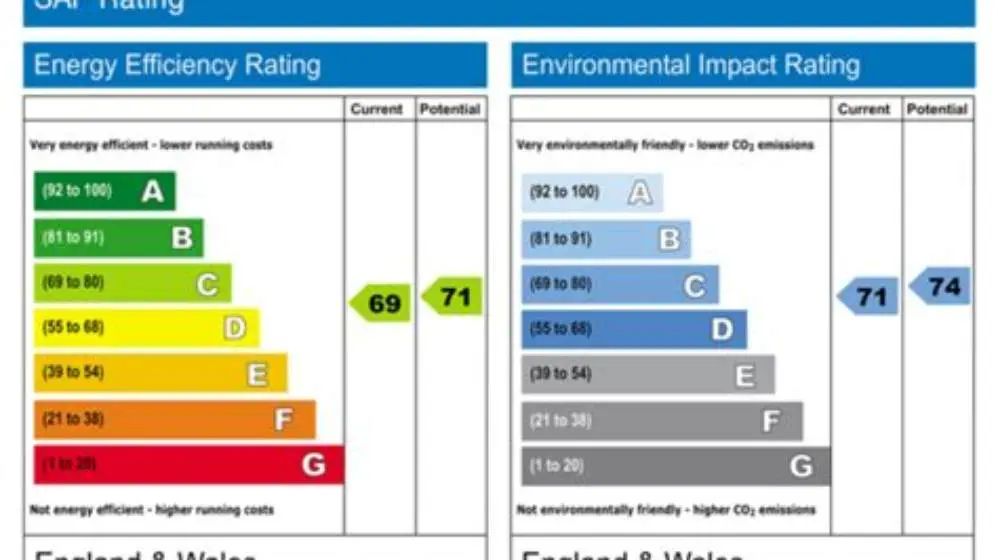
A SAP rating is a number between 1 and 100+ that measures a UK home's energy efficiency based on standard assumptions; higher numbers mean better efficiency. It differs from EPC ratings, which are derived from SAP but use bands A-G for easier comparison.
On this page
Part of our guide on characteristics of green homes
Quick facts
- SAP rating scale
- 1 to 100+
- EPC rating bands
- A to G
- Typical efficient home
- 70-80 SAP
- Poor efficiency
- 20-40 SAP
Quick recap
- SAP rating scores UK homes 1-100+ on energy efficiency.
- EPC ratings translate SAP scores into bands A-G.
- Typical SAP scores range from 20 (poor) to 80+ (efficient).
- SAP ratings guide grant eligibility and retrofit decisions.
- You need an energy assessor to produce a SAP rating.
What is a SAP rating
The SAP rating, or Standard Assessment Procedure rating, is a numerical score that measures the energy efficiency of a home in the UK. It ranges from 1 to over 100, where a higher number indicates better energy efficiency and lower running costs. The rating reflects how much energy your home is expected to use under standard conditions based on fixed assumptions about occupancy and heating patterns.
SAP scores are the foundation for many UK energy regulations and grant schemes, such as the Boiler Upgrade Scheme and ECO4. The score is calculated by a qualified energy assessor who inputs details about your home’s construction, heating, ventilation, and insulation into approved software. This process evaluates heat loss, fuel consumption, and expected emissions.
Because it uses standard conditions, the SAP rating is not a measure of your actual bills but a comparative tool for different homes or retrofit options. A home with a SAP score of 80 typically uses significantly less energy than one scoring 40, though exact savings depend on occupant behaviour and local climate.
How SAP rating relates to EPC rating
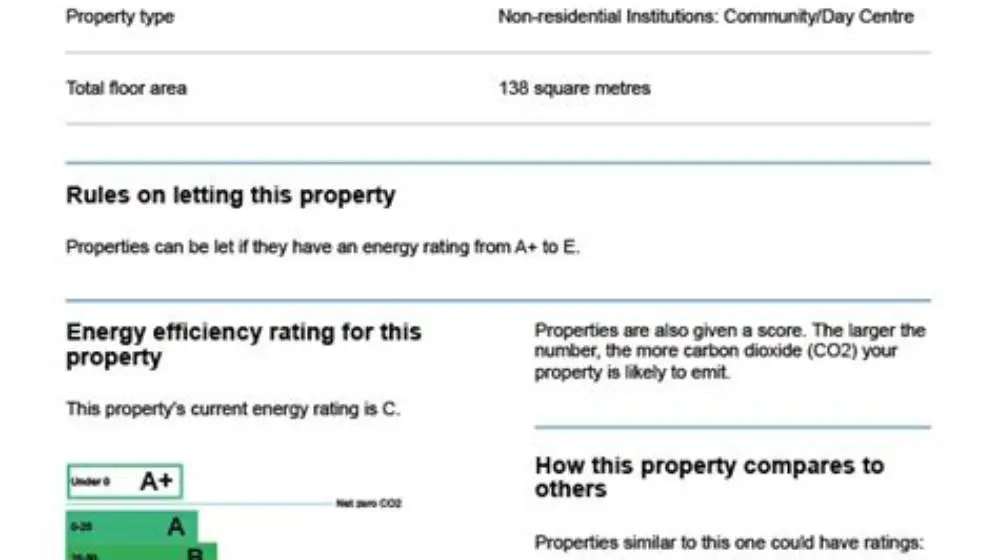
An EPC rating is directly derived from the SAP rating but expressed as a letter grade from A to G. The letters simplify the numerical SAP scale to make it easier for homeowners and buyers to understand energy performance at a glance. For example, a SAP score above about 92 generally earns an EPC rating of A, while scores below 20 fall into band G. We cover excellent and very good ratings in its own article.
EPC ratings are what you see on property listings and when applying for government grants. They serve as a communication tool rather than a technical measure. The SAP number behind an EPC offers greater precision needed for design and retrofit decisions, while the EPC helps non-experts judge whether a property is efficient or not.
Both ratings use the same core data and methodology but differ in presentation and purpose. SAP ratings inform technical assessments and policy compliance, whereas EPC ratings impact market perceptions and eligibility for some funding schemes.
| SAP score range | EPC band | Energy efficiency implication |
|---|---|---|
| 92-100+ | A | Very high energy efficiency |
| 81-91 | B | High efficiency |
| 69-80 | C | Good efficiency |
| 55-68 | D | Average efficiency |
| 39-54 | E | Below average efficiency |
| 21-38 | F | Poor efficiency |
| 1-20 | G | Very poor efficiency |
Typical SAP rating numbers and what they indicate
Typical SAP scores for UK homes vary widely depending on age, construction, and retrofit status. Older solid-wall homes often score 30-50, indicating poor energy efficiency and high running costs. Standard cavity wall homes built after 1980 usually score 50-65. More modern or well-retrofitted homes often reach 70-85 or more. We go through typical r values for uk materials step by step elsewhere on the site.
A score above 80 is considered good, reducing energy bills and greenhouse gas emissions considerably. Ultra-efficient new builds or homes with extensive upgrades may exceed 90, reflecting near-zero energy use. Conversely, homes scoring below 40 likely need significant measures such as insulation or heating system replacement to improve comfort and costs.
You can use SAP benchmarks to prioritise retrofit measures. For example, installing cavity wall insulation can raise a typical SAP score by 5-10 points; upgrading to a heat pump may add 10-15 points. Understanding typical SAP ranges helps set realistic improvement goals.
- 30-50 SAP: older solid-wall homes, high energy bills
- 50-65 SAP: typical post-1980 cavity wall homes
- 70-85 SAP: well-insulated or recently upgraded homes
- 90+ SAP: very efficient new builds or deep retrofits
How to get a SAP rating for your home
To obtain a SAP rating, you must hire a certified energy assessor who uses standard procedures and software approved by the UK government. The assessor records details such as wall type, floor insulation, glazing, heating fuel, and ventilation. They then enter this data into SAP calculation software that produces the rating. We go through importance of insulation values step by step elsewhere on the site.
The process requires physical inspection to verify building elements and systems. You will receive a detailed report showing your SAP score and recommendations for improvements. This document may be required to access grants like the Boiler Upgrade Scheme or ECO4 funding.
Because the SAP calculation is complex, doing it yourself is not feasible or permitted. Ensure your assessor is accredited by recognised bodies such as the Domestic Energy Assessor (DEA) scheme. Costs vary but are usually several hundred pounds depending on property size.
- Find a certified domestic energy assessor online or via local listings.
- Schedule a home visit to review construction and systems.
- Provide any documentation on previous retrofit work if available.
- Receive the SAP report with rating and upgrade advice.
Why SAP rating matters for grants and energy-saving decisions
Many UK energy efficiency grants and schemes base eligibility or incentive levels on your home's SAP rating. The Boiler Upgrade Scheme, for instance, may require homes to meet a minimum SAP standard before installation of low-carbon heating like heat pumps. The other half of this decision is what is an energy performance certificate.
Knowing your SAP rating helps you understand the cost-effectiveness of retrofit work. Measures that raise your score significantly tend to yield better energy savings and increased home comfort. Conversely, minor improvements may have little impact on your SAP and overall efficiency.
SAP ratings also influence property values and sales as buyers become more aware of energy costs. Homes with higher SAP ratings usually attract higher prices and faster sales. Landlords must meet minimum EPC standards which indirectly tie back to SAP scores to avoid fines or tenant complaints.
Common misconceptions about SAP rating
Some assume SAP ratings represent exact current energy bills. This is incorrect because SAP uses standard assumptions for occupancy and heating use, which don't reflect individual behaviour or local weather variations. If that sounds like your situation, read up on fuel cell heating systems next.
Another confusion is that EPC ratings alone tell the full story. EPCs simplify SAP scores into broad bands and can mask differences between homes with similar letters but different actual efficiencies.
People also think that SAP ratings apply only to new builds. In fact, SAP assessments are required for new builds, major renovations, and to update EPCs on existing homes, helping owners plan retrofit work.
Understanding these distinctions helps homeowners use SAP ratings effectively rather than relying on oversimplified or misunderstood metrics.
Quick questions
Can I improve my SAP rating without major renovations?
Yes, simple measures like draught-proofing, upgrading lighting to LED, or installing thermostatic radiator valves can improve your SAP score slightly without costly changes.
Is SAP rating required for all UK homes?
SAP assessments are mandatory for new builds and major renovations but not always for existing homes unless you need an updated EPC or plan retrofits qualifying for grants.
How often does a SAP rating need updating?
SAP ratings should be updated after any significant home improvement or when applying for grants that require current assessments; otherwise, EPCs typically last 10 years.
Does a higher SAP rating always mean lower bills?
Generally yes, but actual bills depend on occupant behaviour, so SAP is a guide rather than a direct predictor of costs.
Where can I find a certified SAP assessor near me?
Search government-authorised lists or trusted energy assessor directories online to find accredited professionals in your area.